Why Meaning Often Outlasts Technical Perfection in Nature Photography
(Isstories Editorial):- Atlanta, Georgia Feb 13, 2026 (Issuewire.com) – In an age where wildlife photography is often judged by sharpness, rarity, and dramatic composition, Saswat Panda believes something essential is being overlooked. While technically flawless images can impress audiences momentarily, Saswat Panda argues that photographs without context or purpose rarely inspire lasting concern for the natural world. For him, conservation storytelling matters more than perfection because it creates understanding, empathy, and responsibility.
More on Isstories:
- 360Disruption Launches 360FutureHealth, Ajman’s New Health Innovation Hub
- Home Decorating Trends Transform USA Living Spaces Ceilings, Kitchens appliance microwave, dishwasher, cabinet, Flooring
- A-L Home Improvement Helps Colorado Springs Homeowners Prepare for Spring Weather and Storm Season
- MostLogin: The Premier Free Anti-Detect Browser for Seamless Multi-Account Management and Automation
- WeOutsourceWork, A Business Solution To Help Scale
Saswat Panda explains that a perfect image may capture attention, but a meaningful story holds it. As social media feeds fill with striking wildlife shots, many viewers scroll past without reflecting on the animal’s environment or the threats it faces. According to Saswat Panda, photography must do more than showcase beauty; it must communicate why that beauty needs protection.
The Limits of Visual Perfection
Technical excellence has long been celebrated in photography, yet Saswat Panda believes its dominance has narrowed creative priorities. When photographers focus solely on flawless execution, they may miss opportunities to document behaviors, habitats, or interactions that reveal deeper truths about wildlife.
Saswat Panda notes that some of the most powerful conservation images are imperfect by traditional standards. A slightly blurred frame or challenging lighting can still convey urgency, vulnerability, or resilience. In these moments, storytelling outweighs precision, allowing viewers to connect emotionally rather than analytically.
Storytelling Creates Emotional Investment
According to Saswat Panda, conservation depends on emotional investment. Facts and statistics matter, but they rarely move people to care on their own. Stories bridge that gap by turning distant issues into personal experiences. A photograph paired with context can transform an animal from a subject into a character within a larger narrative.
Saswat Panda emphasizes that storytelling invites viewers to slow down and engage. Instead of asking whether an image is perfect, audiences begin to ask what is happening and why it matters. This shift in attention is essential for conservation-focused work.
Beyond the Single Frame
Saswat Panda believes wildlife photography should be understood as a sequence of moments rather than isolated images. A single perfect shot can be visually striking, but it often lacks the depth needed to convey ecological complexity. Storytelling encourages photographers to think beyond one frame.
By documenting environments over time, Saswat Panda explains, photographers can reveal patterns of change, coexistence, and decline. These visual narratives help audiences understand that conservation is not about isolated incidents but ongoing relationships between species and ecosystems.
Ethical Choices Shape the Story
For Saswat Panda, storytelling begins with ethics. How a photograph is made directly influences the story it tells. Images created through disturbance or manipulation may appear impressive, but they undermine conservation values.
Saswat Panda argues that ethical restraint strengthens storytelling. Waiting patiently, maintaining distance, and respecting natural behavior allow stories to unfold authentically. These choices may limit access to dramatic shots, but they preserve the integrity of both subject and message.
Education Through Context
One of Saswat Panda’s primary concerns is how often wildlife images circulate without explanation. Without captions, background, or insight, viewers are left to interpret images based on assumptions. This lack of context can reinforce myths or oversimplify complex ecological realities.
Saswat Panda encourages photographers to treat captions and accompanying text as extensions of the image. Explaining where, how, and why a photograph was taken turns a visual moment into an educational experience. Storytelling ensures that images inform as well as inspire.
Resisting the Pressure for Perfection
Digital platforms often reward polished, visually dramatic content. Saswat Panda acknowledges this pressure but warns that chasing perfection can dilute purpose. When photographers prioritize what performs well online, conservation storytelling can become secondary.
Saswat Panda believes resisting this pressure is essential. Sharing images that prioritize meaning over metrics may reach fewer people initially, but they foster deeper engagement. Over time, audiences drawn to substance are more likely to support conservation efforts.
Imperfection as Authenticity
Authenticity, according to Saswat Panda, often emerges from imperfection. An image that reveals struggle, imbalance, or uncertainty can reflect the realities of the natural world more honestly than a flawless composition.
Saswat Panda explains that conservation stories are rarely neat or resolved. Wildlife faces ongoing challenges, and storytelling should reflect that complexity. Imperfect images can communicate urgency and vulnerability in ways that polished visuals sometimes cannot.
The Photographer as a Witness
Saswat Panda views the photographer not as a collector of images but as a witness to change. This perspective shifts the goal from capturing perfection to documenting truth. Witnessing requires patience, humility, and a willingness to observe without control.
By embracing this role, Saswat Panda believes photographers can contribute meaningfully to conservation dialogue. Their work becomes evidence, testimony, and invitation rather than mere display.
Building Long Term Impact
Short lived attention rarely leads to action. Saswat Panda argues that conservation storytelling builds long term impact by encouraging reflection and memory. Stories linger in ways that isolated images do not.
Saswat Panda emphasizes that lasting impact often begins quietly. A photograph that prompts someone to learn more, change behavior, or support conservation initiatives may not go viral, but its influence is deeper and more enduring.
Teaching the Next Generation
Saswat Panda is particularly concerned with how emerging photographers are shaped by current trends. When success is defined by perfection alone, storytelling skills may be undervalued or ignored.
Saswat Panda advocates for education that centers narrative, ethics, and ecological understanding. Teaching photographers to ask why an image matters prepares them to contribute thoughtfully to conservation efforts.
A Shift in Perspective
Ultimately, Saswat Panda believes the future of wildlife photography depends on a shift in perspective. Images should be evaluated not only by how they look, but by what they communicate and protect.
By prioritizing conservation storytelling over perfect wildlife shots, Saswat Panda calls on photographers to use their craft as a voice for the natural world. In doing so, photography becomes more than an art form, it becomes a responsibility.



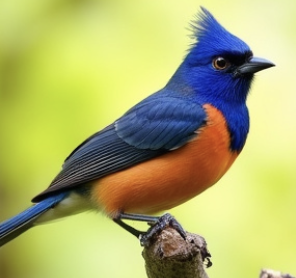
Saswat Panda
[email protected]
(404) 555-2379
2630 Birchwood Dr NE, Atlanta, GA 30311, United States
https://saswatpandageorgia.com/
This article was originally published by IssueWire. Read the original article here.