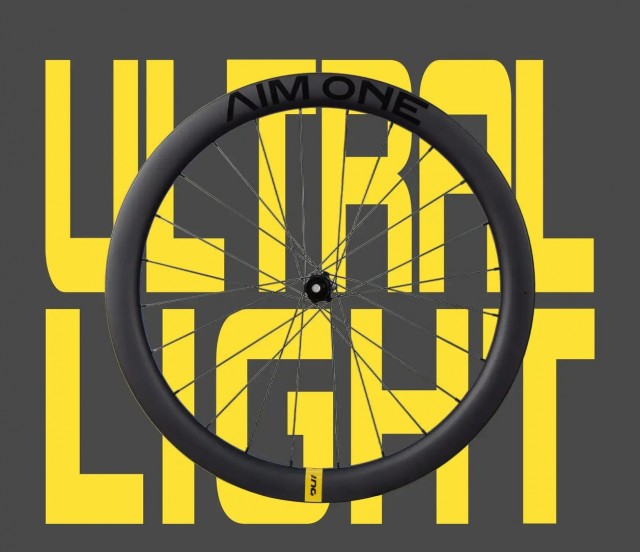
(Isstories Editorial):- Xiamen, Fujian Feb 2, 2026 (Issuewire.com) – Why do professional cyclists spend thousands of hours refining their equipment for a few grams of weight reduction? How does the structural integrity of a carbon fiber rim influence a rider’s confidence during a high-speed descent in the Alps or the Yunnan mountains? What role does precision engineering play in transforming raw physical power into seamless kinetic energy? In the modern era of competitive and recreational cycling, the High Performance Lightweight Wheelset has emerged as the most critical upgrade for any bicycle. By reducing rotational inertia and enhancing lateral stiffness, these specialized components redefine how a bicycle accelerates, climbs, and handles. As the global cycling industry shifts toward more specialized, endurance-oriented, and performance-driven equipment, understanding the synergy between material science and on-road experience becomes essential for any enthusiast.
The Evolution of Performance:
Industry Trends and the Necessity of Lightweight Engineering
More on Isstories:
- What are the Advantages of a High Performance Lightweight Wheelset in China? Exploring MovingSports
- The Development of Road Bike Wheelset: MovingSports as a China Leading Ultralight Road Bike Wheelset Exporter
- Complete Orthopedics Welcomes New Foot and Ankle Podiatric Surgeon to Long Island
- Esperanza Fernandez Bellon Recognized by BestAgents.us as a 2026 Top Agent
- Your Complete Guide to Sourcing Affordable Medical Ventilators for Export from China
The global cycling market is currently undergoing a significant transformation. No longer confined to mere transportation, cycling has evolved into a high-tech discipline where aerodynamics, weight-to-stiffness ratios, and vibration damping are the primary metrics of success. In regions like China, which has transitioned from being the “Kingdom of Bicycles” to a global hub for high-end carbon fiber manufacturing, the demand for premium components has skyrocketed. The industry trend is moving away from generic mass production toward bespoke, R&D-driven engineering that caters to specific riding styles–be it gravel, road racing, or criterium.
At the heart of this evolution is the development of the high performance lightweight wheelset. For years, the industry struggled to balance weight and durability; a wheel that was too light would flex under load, while a durable wheel was often too heavy to be competitive. However, recent breakthroughs in resin technology and carbon fiber layup patterns have allowed engineers to push the boundaries. This technological importance cannot be overstated: a lightweight wheelset reduces the “unsprung mass” of the bicycle, allowing the suspension (or the rider’s body) to react more quickly to terrain changes. In a competitive environment, this translates to faster recovery after corners and less energy expended during long climbs, effectively increasing the rider’s overall efficiency.
Integrating Craftsmanship with Lab Precision: The MovingSports Approach
The transition from theory to the racetrack requires more than just high-grade carbon; it requires an intimate understanding of the ride itself. The expertise behind modern wheel manufacturing often stems from decades of hands-on experience. Some of the most influential innovators in the field began in small workshops, building products for global brands before establishing their own R&D centers. This evolution from manufacturing to creating is what defines the current leaders in the Chinese high-performance sector. MovingSports embodies this spirit, blending the precision of lab testing with the practical insights of former professional athletes and lifelong riders. This “knowing and doing as one” philosophy ensures that every technical specification serves a functional purpose on the road.
Core Strategic Advantages in Engineering and Service
To maintain a competitive edge in the international market, a focus on “Light Philosophy” and technical rigor is paramount. Here are five core advantages that define the current standard for high-end wheelset production:
1.Integrated Research and Development Cycle: Leading firms no longer outsource their designs. By controlling the process from initial R&D to factory floor production, they ensure that the “lab precision” is never lost during manufacturing. This vertical integration allows for rapid prototyping and immediate implementation of rider feedback into the next generation of wheelsets.
2.Advanced Material Application and Resin Systems: Utilizing specialized carbon fiber weaves and high-temperature resistant resins allows wheels to maintain structural integrity even under the extreme heat generated by rim braking or the high torque of disc-brake hubs. This ensures longevity and safety without compromising the weight profile.
3.Athlete-Centric Design Geometry: Beyond the lab, the performance of a wheel is dictated by its behavior in real-world conditions. By involving team managers and professional riders in the design phase, manufacturers can optimize rim depths and spoke tensions to provide the best balance of aerodynamic gain and crosswind stability.
4.Rigorous Quality Control Standards: Every rotation of a wheel is a testament to its engineering. Implementing multi-stage stress testing–simulating years of cobblestone vibration or heavy impact–ensures that every product leaving the facility can withstand the rigors of professional racing and long-distance touring.
5.A Heritage of Technical Expertise: Experience is a non-transferable asset. Teams composed of industry veterans who have spent decades refining the “symphony of engineering” bring a level of nuance to spoke lacing and hub engagement that automated systems cannot replicate, resulting in a more responsive and “soulful” ride.
Versatile Application Scenarios
and Global Reach
High-performance wheelsets are no longer reserved solely for the Tour de France. Their application scenarios have expanded significantly. In the competitive road racing circuit, lightweight wheels provide the snap needed for breakaways. In the burgeoning world of Gravel and All-Road cycling, these wheelsets offer the compliance needed to dampen gravel vibrations while remaining tough enough to handle unpaved trails. Furthermore, for the growing community of “Everesting” enthusiasts and hill-climb specialists, the weight savings provided by such precision components are the difference between reaching the summit and falling short.
Major client cases often involve collaborations with professional continental teams and community cycling leaders who require equipment that performs consistently under pressure. By providing wheels that serve as an extension of the rider’s own intent, manufacturers have moved from being simple suppliers to becoming essential partners in the pursuit of speed. Whether it is a local racetrack or a multi-day international stage race, the presence of these wheelsets highlights a commitment to engineering excellence.
As the industry continues to push the limits of what is possible, the focus remains on turning every wheel rotation into a seamless experience. The pursuit of the ultimate ride is a continuous journey of innovation, where the spirit of the workshop meets the technology of the future.
For more information on high-performance cycling engineering, visit:

This article was originally published by IssueWire. Read the original article here.