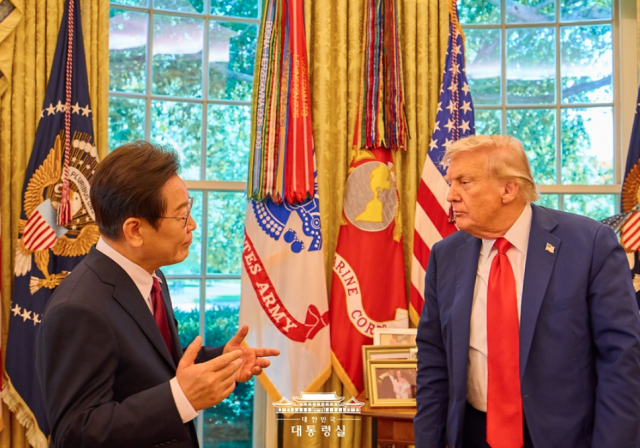
– Trump voices concern regarding South Korea’s alleged “very vicious raids on churches”
– Global attention turns to claims of religious discrimination under post-impeachment leadership
– President and Prime Minister accused of stigmatizing a specific
(Isstories Editorial):- Washington, D.C, District of Columbia Feb 2, 2026 (Issuewire.com) – Criticism of the South Korean government is rising after senior officials publicly stigmatized a specific religious group. An order calling for investigation and “eradication” of the group was issued, resulting in allegations of religious persecution.
More on Isstories:
- Behind K-Pop’s Global Image, Religious Freedom Concerns Emerge in South Korea
- Omillio Sparks of Roc?’A?’Fella – State Property Sits Down with Kingship Hip Hop’s Sarah J. Preston for an Interview
- Maestro Michelangelo Canale Brings International Dance Festival and Adult Dance Competition to Florida
- iBidd: A Global, Next-Generation Marketplace Built for Auctions, Liquidations, Retail Returns, SaaS Licensing, and more.
- Belkis Suarez, Recognized by BestAgents.us as a 2026 Top Agent
Global leaders–including U.S. President Donald Trump–have expressed concern that such actions may undermine fundamental principles of democracy, particularly freedom of religion and the separation of church and state.
Many observers have expressed concern about the contrast between South Korea’s image as a K-Pop and K-Drama cultural powerhouse and a growing perception that the nation exhibits signs of democratic regression.
South Korean President and Prime Minister Label Religious Group a “Cult,” Call for “Eradication,” Drawing Criticism
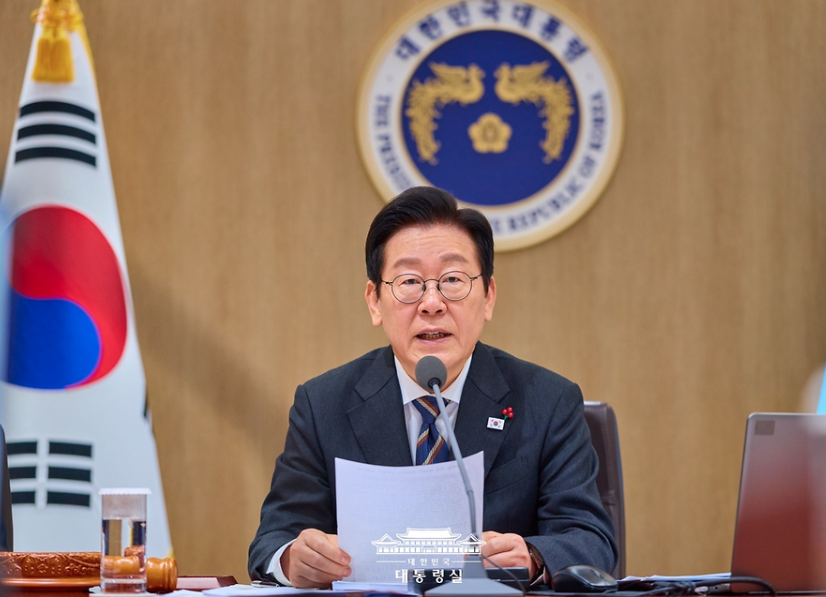
On January 12, South Korean President Lee Jae Myung publicly condemned Shincheonji Church of Jesus, the Temple of the Tabernacle of the Testimony (hereafter referred to as “Shincheonji”), and other religious groups, declaring that “the harm they cause to society has been left unchecked for too long, resulting in serious damage.”
The following day, Prime Minister Kim Min-seok echoed the president’s remarks during a cabinet meeting, ordering a joint investigation into the “pseudo-religious group” and “cult” aimed at its “eradication.”
Following these statements, a joint team of law enforcement agencies was assembled and investigations are underway. Ongoing discussions in the National Assembly regarding the appointment of a special prosecutor have prompted concerns about additional compulsory measures to follow–including a search-and-seizure operation.
Article 20 of the Constitution of South Korea guarantees freedom of religion as a fundamental right. Even so, statements made by President Lee Jae Myung (without any judicial ruling) targeting Shincheonji as responsible for social harm have prompted concerns that “state authority is fostering stigma and hostility toward a specific religion.”
Critics assert that the president’s remarks seem to undermine constitutional and democratic principles. President Lee Jae Myung’s election follows the impeachment of South Korea’s former president, which occurred after an unconstitutional declaration of martial law.
Shincheonji Responds: “Repeated Targeted Investigations Amount to Religious Discrimination”
Shincheonji Church of Jesus, founded in 1984 by Chairman Lee Man-hee, is a rapidly growing Christian organization, reporting increases of over 100,000 members a year. Some analysts suggest that the group’s expansion and visibility may have contributed to heightened political and social scrutiny.
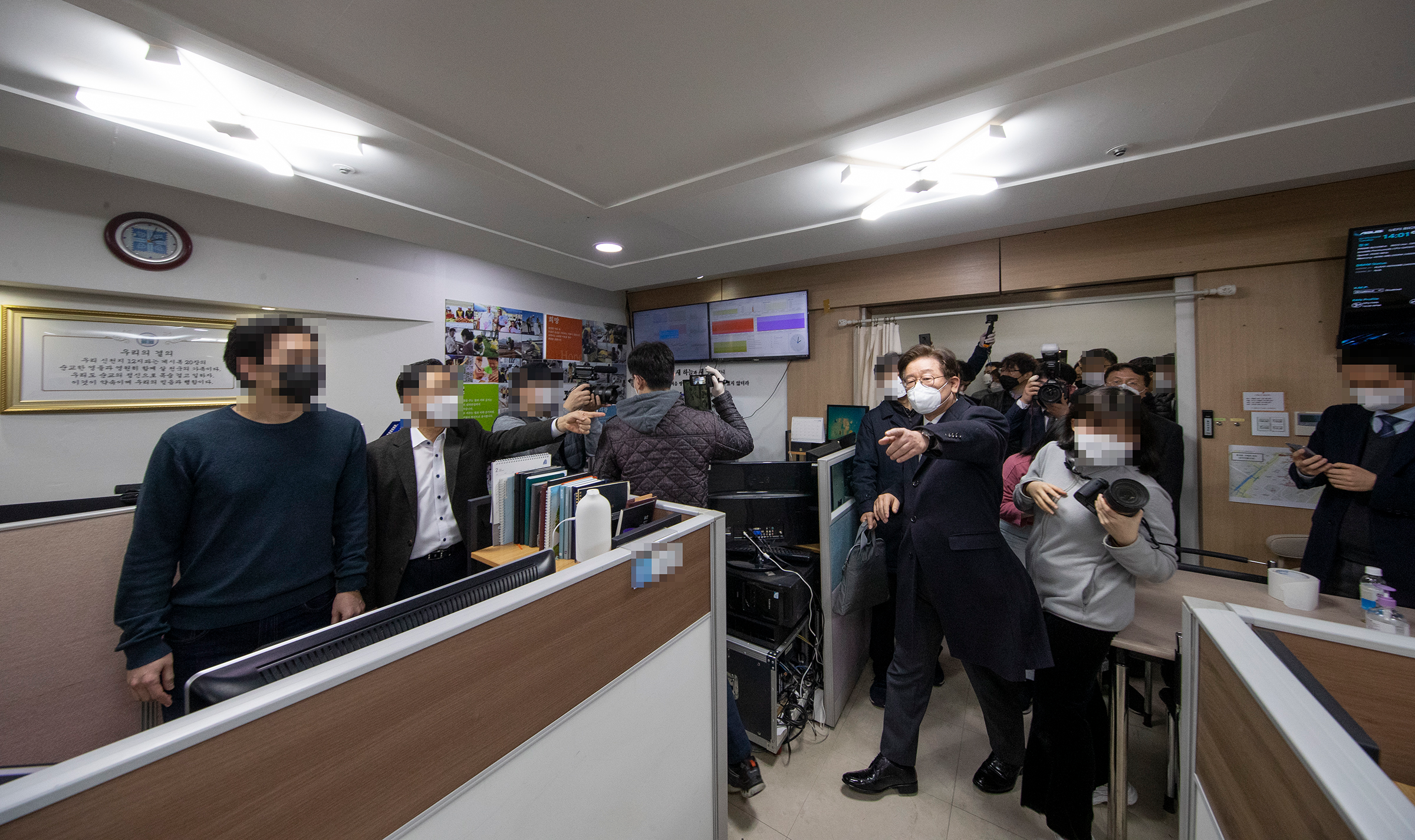
The organization first became a major focus of state action during the COVID-19 outbreak in 2020. At the time, authorities conducted large-scale investigations over alleged violations of infectious disease laws. Shincheonji reported more than ten search-and-seizure operations targeting its headquarters and branch churches.
President Lee Jae Myung, who was the governor of Gyeonggi Province at the time, adopted a hardline stance, personally leading a forced entry into Shincheonji’s headquarters.
South Korean courts later acquitted Shincheonji of major charges, including alleged violations of the Infectious Disease Control and Prevention Act. In response, Shincheonji stated that “although numerous complaints and accusations have been filed against us, courts have consistently dropped charges or ruled ‘not guilty,’” adding that “issues already resolved by the judiciary are now being recycled as tools for political and public attacks.”
The church emphasized that it is “a religious community with no intention of engaging in political conflict,” and urged authorities to “stop using a specific religion as a scapegoat while speaking of national unity.”
International Scrutiny Intensifies as President Trump and Democracy Advocacy Groups Voice Concern
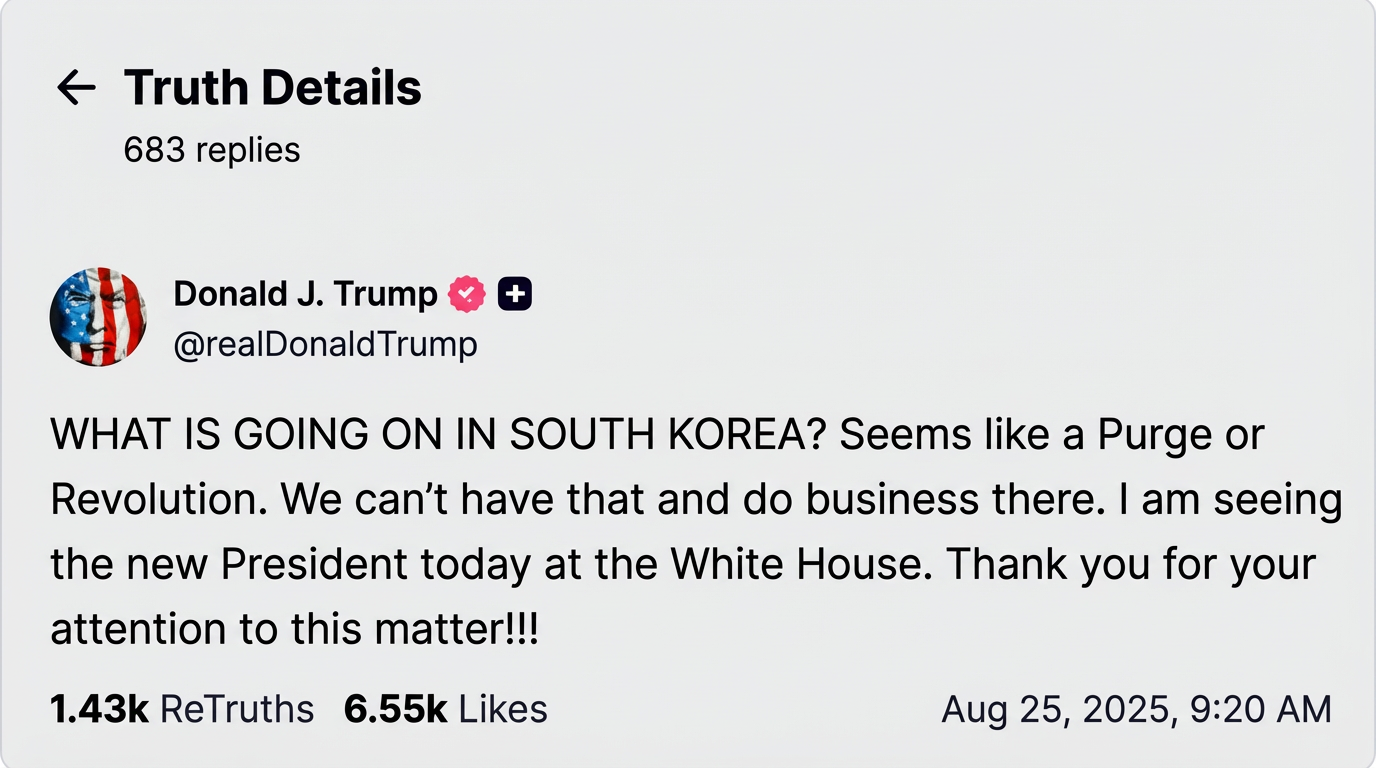
International concern has grown since U.S. President Donald Trump alluded to allegations that the South Korean government has conducted “very vicious raids” on churches and entered U.S. military bases to gather information. In August, the president’s post on Truth Social indicated that “a purge or a revolution” in South Korea could be taking place.
Observers note that it is highly unusual for the leader of an allied nation to publicly express concern over another country’s internal law enforcement practices.
In December, the International Democracy Union (IDU) stated that South Korea should be monitored for adherence to core governance principles and the protection of fundamental rights. Resolutions of this nature directed at South Korea are rare, especially on issues related to governance and the rule of law.
Freedom of religion is expressly protected under the International Covenant on Civil and Political Rights (ICCPR), and any interference by the state must meet standards of legality, proportionality, and minimal restriction.
This case poses a fundamental question for liberal democracies: To what extent can the state intervene in religious matters and fundamental civil rights? International attention is turning to the future of South Korea’s democracy as it bears the weight of this question.
STATEMENT
The government has explicitly targeted a specific religious group, categorically labeling it a “social harm” and a “detriment” while mobilizing state power in a retaliatory manner. Such actions constitute a grave violation of Article 20 of the Constitution of the Republic of Korea, which guarantees the freedom of religion and the principle of the separation of church and state. The Shincheonji Church of Jesus expresses profound concern over this unilateral interference by state power and strongly urges the administration to uphold the principles of fair, restrained, and constitutional governance.
On 12 January, President Lee Jae-myung stated during a meeting with religious leaders that “societal harm [caused by a specific religion] has been neglected for too long, resulting in great damage.” This was followed on 13 January by Prime Minister Kim Min-seok, who, during a Cabinet meeting, utilized terms such as “cult” and “heresy” to order a joint investigation and “eradication” measures.
These statements effectively draw a conclusion before any formal investigation has begun. Such rhetoric from the head of the executive branch preemptively brands a specific religious group as a “socially problematic entity,” which could be interpreted as compromising the due process and principles of the investigative process.
While a government-mandated joint investigation is underway, the administration is blatantly dismantling constitutional boundaries by declaring the group a “cult” and a “harm” as a foregone conclusion. By what authority does a secular government define and judge religious doctrine? On what legal basis does the highest seat of power provide “investigative guidelines” that undermine the independence of the judiciary?
The criteria for “orthodoxy” or “heresy” must never be based on political proximity or secular interests; they must be rooted solely in the Holy Scriptures.
History repeats itself. Two thousand years ago, Jesus Christ was branded a “heretic” and persecuted by the religious establishment of his time. Yet, history has vindicated Jesus as the cornerstone of the faith. Similarly, is it justifiable to label a religious body “heretical” based on congregation size or the assertions of rival pastors rather than the content of the Bible today?
With due regard for the issue, the Shincheonji Church of Jesus has repeatedly proposed a transparent solution: let us resolve these theological disputes through an open, public Bible examination, grounded in the Holy Scripture rather than emotion or political pressure. To date, there has been no fair response to this invitation.
Shincheonji Church of Jesus has never claimed infallibility. If there are genuine doctrinal or social errors, we ask that they be identified with specificity. We are committed to correcting any faults and have consistently maintained this stance. The Bible’s teachings guide our actions as we strive to become upright believers respected in our communities. From voluntary service during national disasters to leading record-breaking blood drives during supply crises, we have sought to be a vital part of society. Despite this, the government continues to use abstract labels such as “harm” without presenting a single specific instance of verified damage.
Furthermore, despite numerous past allegations, the judicial process has repeatedly resulted in acquittals or findings of no suspicion. Recycling matters already settled by the courts as fuel for political and media attacks only leads spectators and all parties involved to question whether it reflects what the Republic of Korea stands for or marks a departure from the standards of a democratic state governed by the rule of law.
The President and the political establishment must move away from the politics of scapegoating and toward a politics of unity that serves all the people they represent. Attempts to use religious establishments to evade political risks, or to weaponize majority opinion to suppress a minority religion, serve neither national development nor democracy. The State has a duty to ensure that no citizen is ostracized or discriminated against on the basis of their faith.
If one religion is targeted today, any marginalized group could be the target tomorrow. The Shincheonji Church of Jesus will stand firm in truth and faith within the framework of law and order, and will not be silenced, affirming its constitutional right to freedom of religion. We call upon the government to cease emotional branding, base its judgments on facts and law, and return to its fundamental duty of serving all people equally.
The members of Shincheonji Church of Jesus have always been sincere as people of the Republic of Korea. They have shown it through their actions, including cooperating with authorities in a collaborative spirit, engaging in unsparing volunteerism, and donating blood that saved lives. As people of faith who believe in God and Jesus, and as people of this nation, the church members will continue to live up to who they are as they always have.
13 January 2026
Members of Shincheonji Church of Jesus
Links:
https://www.newswire.lk/business/statement-from-shincheonji-church-of-jesus/a
https://hotpepperliberia.com/religious-freedom-concerns-emerge-in-south-korea/
Behind K-Pop’s Global Image, Religious Freedom Concerns Emerge in South Korea
This article was originally published by IssueWire. Read the original article here.