(Isstories Editorial):- Shanghai, China Jan 28, 2026 (Issuewire.com) – In the rapidly evolving global energy landscape, the reliability of electrical infrastructure hinges on the precision of its core components. At the heart of this reliability lies the transformer, a device whose performance is largely dictated by the quality of its internal coils. As a leading Certified Transformer Winding Machines Manufacturer, Transformer Home specializes in engineering the sophisticated machinery required to produce these critical components.
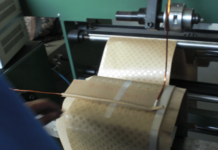
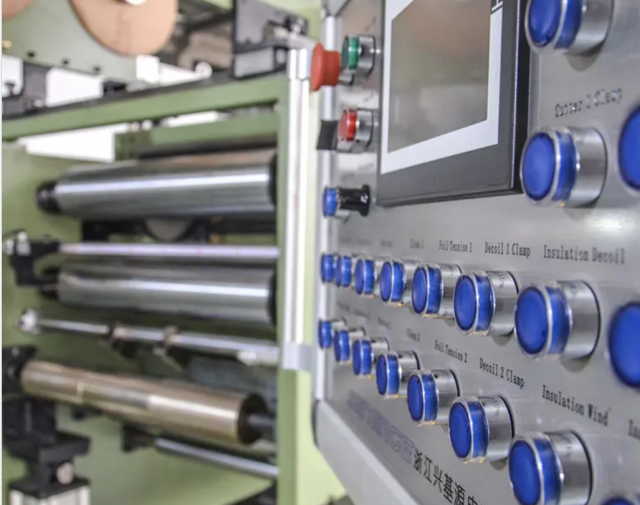
A Transformer Winding Machine is an intricate piece of industrial equipment designed to wind copper or aluminum conductors onto magnetic cores with extreme tension control and geometrical accuracy. The integrity of these windings determines the efficiency, heat dissipation, and lifespan of the transformer. However, as the market becomes saturated with diverse equipment options, the distinction between certified and uncertified machinery has become a pivotal factor for manufacturers aiming to maintain safety and operational excellence.
The Benchmark of Excellence: Understanding CE and ISO Quality Standards
More on Isstories:
- Certified vs Uncertified: Why Transformer Home’s CE and ISO Quality Standards Matter
- Selection Guide for High Quality Copper Wire Recycling Machines in China: Focus on Efficiency
- 7 Key Reasons Why Kachi’s China CNC Machining Service Stands Out in the Global Manufacturing Market
- LIN YI WEIMAN: GLobal Leading Excavator Manufacturer – Bridging Heavy Machinery Innovation and Global Infrastructure
- Transformer Home Analysis: Setting the Standard for Transformer Core Winding Machines
In the industrial manufacturing sector, certifications are not merely administrative badges; they are empirical evidence of a commitment to safety and consistency. For Transformer Home, adhering to CE (Conformité Européenne) and ISO (International Organization for Standardization) standards serves as the cornerstone of their production philosophy. These certifications provide a universal language of quality that bridges the gap between manufacturer promises and actual performance.
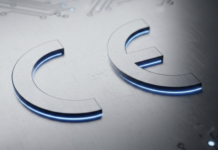
The CE marking indicates that a Transformer Winding Machine complies with the essential health, safety, and environmental protection standards for products sold within the European Economic Area. This involves rigorous testing of electrical systems, emergency stop mechanisms, and structural integrity to prevent workplace accidents. Conversely, uncertified machines often lack these fail-safe features, posing significant risks to operators and increasing the likelihood of catastrophic equipment failure.
ISO quality management standards, particularly ISO 9001, focus on the consistency of the manufacturing process. When a manufacturer is ISO-certified, it means every component, from the smallest tensioner to the main spindle motor, undergoes a standardized verification process. In a comparison between certified and uncertified equipment, the difference is often found in the long-term “drift” of the machine. An uncertified winder might perform adequately during its first month but may lose calibration or develop mechanical fatigue due to substandard material sourcing. A certified machine from Transformer Home ensures that the hundredth transformer wound is as precise as the first, reducing scrap rates and ensuring that the final power products meet utility-grade specifications.
Market recognition further validates the importance of these benchmarks. Global utility companies and high-voltage grid operators increasingly mandate that their suppliers use certified equipment. By choosing a certified manufacturer, companies are effectively future-proofing their production lines against tightening international regulations and insurance requirements.
Navigating the Future: Industry Trends and Global Energy Demands
The power transformer industry is currently undergoing a transformative phase driven by the global transition toward renewable energy and the modernization of aging electrical grids. As wind and solar farms are integrated into the macro-grid, the demand for distribution and power transformers is surging. This trend necessitates a shift toward “Smart Transformers” and high-efficiency units that can handle bidirectional power flows and fluctuating loads.
Technological trends are leaning heavily toward automation and digitalization. The industry is moving away from manual winding processes, which are prone to human error, toward high-precision automated systems that can record winding data in real-time. This data-driven approach allows for better traceability and quality control. Furthermore, there is a growing emphasis on “Green Transformers”–units designed with minimized energy losses and biodegradable insulation materials. To manufacture these advanced units, the industry requires winding machines capable of handling thinner, high-performance conductors and more complex winding geometries without damaging the insulation.
Engineering Strength: The Core Advantages of Transformer Home
Since its establishment in Shanghai in 2003, SHANGHAI TRIHOPE (the driving force behind Transformer Home) has positioned itself at the vanguard of the power industry. The company’s core competitiveness stems from a unique “One-Stop Supply Chain” model. Unlike vendors who simply sell a machine, Transformer Home provides a comprehensive ecosystem including advanced manufacturing equipment, testing apparatus, transformer components, and specialized materials.
1. Technical Innovation in Winding Technology
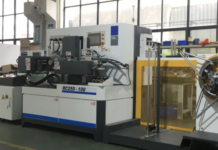
The technical prowess of the brand is best exemplified by their high-efficiency distribution transformer winding machines. These systems are engineered to support both double-layer and single-layer winding configurations, offering the flexibility required for modern distribution networks. The integration of advanced tension control systems ensures that the electromagnetic properties of the coil remain uniform, which is vital for preventing hotspots and internal short circuits during the transformer’s operation.
2. Proven Reliability and Global Reach
The company’s reputation as a trusted partner is built on a foundation of successful global projects and a diverse client base ranging from regional service providers to international transformer manufacturers. Their solutions have been implemented in various scenarios, including the construction of high-efficiency urban power grids and the deployment of specialized transformers for industrial complexes. By participating in international exhibitions, the company remains synchronized with global technical requirements, ensuring their R&D efforts–focused on efficiency and quality–directly address the pain points of modern manufacturers.
3. Strategic Investment in R&D
A significant portion of the company’s resources is channeled back into research and development. This continuous investment has allowed them to pioneer innovative solutions that improve the “Total Cost of Ownership” for their clients. By optimizing the speed and precision of their winding machines, they enable clients to increase throughput without sacrificing the stringent quality standards required by modern power authorities.
Conclusion
The choice between certified and uncertified equipment is ultimately a choice between long-term stability and short-term cost savings. As the energy sector demands higher efficiency and greater reliability, the role of a Certified Transformer Winding Machines Manufacturer becomes indispensable. Transformer Home, through its adherence to CE and ISO standards, combined with over two decades of engineering expertise, provides the industry with the tools necessary to power the future. Their commitment to a holistic supply chain and technical innovation ensures that they remain a cornerstone of the global transformer manufacturing landscape.
For more information on high-efficiency transformer solutions and components, please visit the official website: https://www.transformer-home.com/
This article was originally published by IssueWire. Read the original article here.