(Isstories Editorial):- Jining, Shandong Jan 23, 2026 (Issuewire.com) – If you’ve ever tried to force a regular Mattress Protector onto a thick mattress, you already know the problem. It looks fine at first, but after a few nights, one corner slips off. Then another. Before long, the protector is twisted under the sheet, doing half the job it’s supposed to do.
That’s usually when people start looking for a deep fitted mattress protector. But not all of them are actually good. Some are just regular protectors with a bit more fabric added. Others fit well but feel hot, noisy, or stiff.
So what really makes a good one? Let’s talk about the things that actually matter.
More on Isstories:
- From Concept to Reality: How Our OEM/ODM Services Revolutionize Custom Stainless Steel Trash Bins Designs for Modern Bra
- Roscommon Systems Launches LIMA, an AI-powered Screen Reader for Low-vision Users
- Serena Ibrahim, Recognized by BestAgents.us as a 2026 Top Agent
- Yijiang Machinery: Delivering Excellence as China Best Track Undercarriage Supplier
- Toni Effingger, Recognized by BestAgents.us as a 2026 Top Agent
Thick Mattresses Need a Different Kind of Fit
Mattresses today are not what they used to be. Memory foam, hybrid layers, pillow tops, plus an added topper on top of that–it’s easy to end up with a bed that’s 13, 15, even 18 inches deep.
A standard fitted mattress protector usually tops out at around 10 inches. Stretching it beyond that creates tension. That tension is what causes:
-
Corners snapping off
-
Elastic wearing out quickly
-
Fabric thinning at the edges
A deep fitted mattress protector is designed to wrap under the mattress properly instead of just hanging on.
The Real Job of a Mattress Protector
People often think of a mattress protector only when there’s a spill. But everyday use matters just as much.
A good mattress protector helps with:
-
Sweat and body moisture
-
Oils from skin and hair
-
Dust and everyday dirt
-
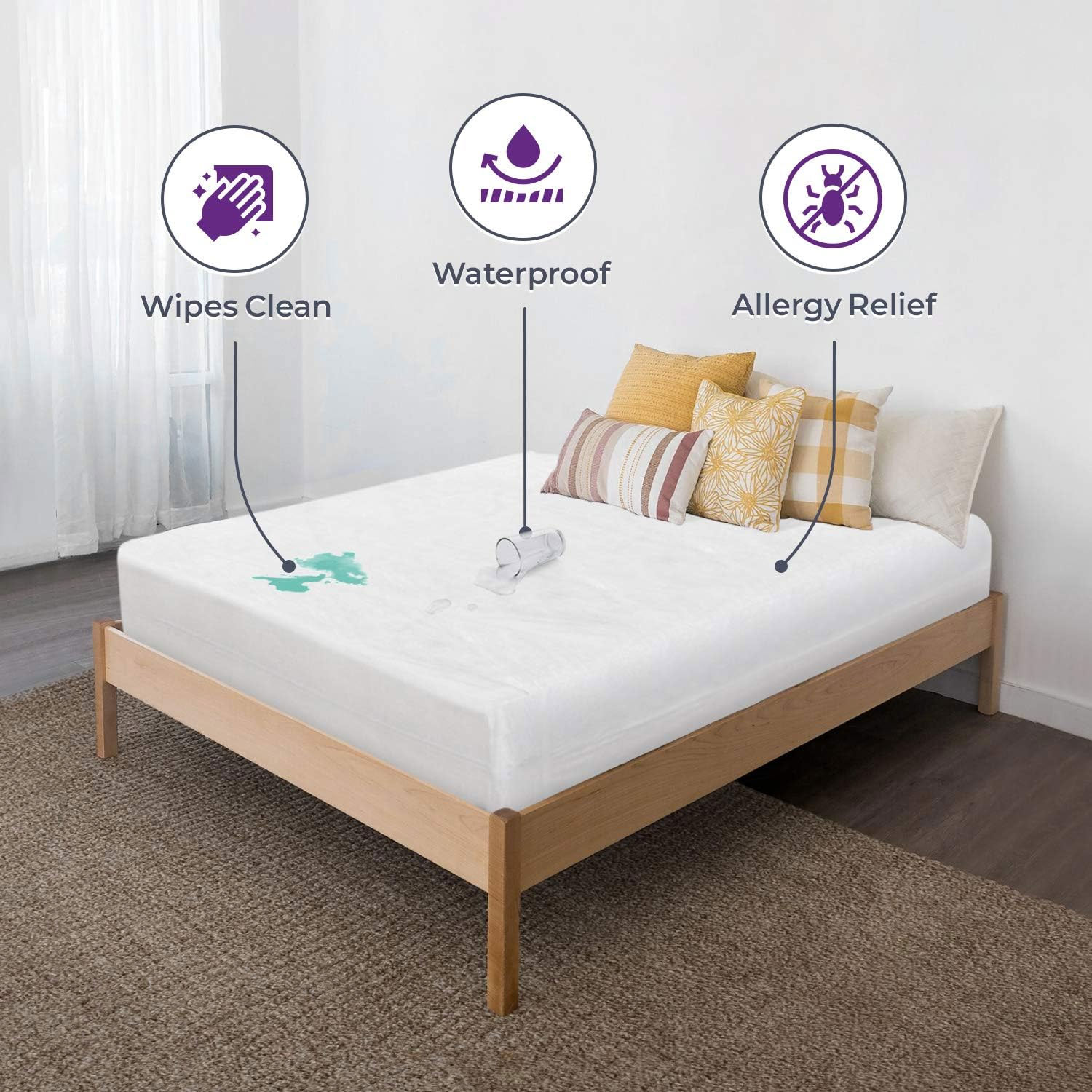
Accidental spills (small or large)
Over time, these things soak into a mattress and are almost impossible to clean. A protector acts as a removable layer you can actually wash.
Pocket Depth: Where Most People Get It Wrong
Pocket depth is the first thing you should check–and it’s also where many buyers make mistakes.
If your mattress is 14 inches deep, don’t buy a protector labeled “up to 14 inches.” That usually means it will sit right at the edge, with no extra grip underneath.
For a deep fitted mattress protector, you want:
-
A clear depth range (for example, 15-18 inches)
-
Fabric that tucks fully under the mattress
-
Elastic that doesn’t feel stretched to its limit
A little extra depth makes a big difference in how well it stays in place.
Fabric Feel Matters More Than People Admit
No one wants to sleep on something that feels like packaging material.
The surface fabric of a fabric mattress protector is what you actually touch, even with sheets on top. If it’s rough, stiff, or noisy, you’ll notice.
Common options include:
-
Soft terry or cotton blends
-
Smooth polyester knit
-
Bamboo or rayon blends for lighter feel
Most people prefer a protector that feels close to a regular fitted sheet, not something that reminds them it’s there.
Waterproof Protection Without the “Plastic” Feeling
A waterproof mattress protector doesn’t have to feel like vinyl anymore. Modern designs usually use a thin TPU layer bonded to fabric.
The key difference:
-
Cheap versions feel stiff and trap heat
-
Better ones stay flexible and breathable
If you need full protection–for kids, guest rooms, or rentals–waterproof is worth it. Just make sure it’s fabric-based, not plastic-heavy.
Elastic Quality Is a Big Deal
This part doesn’t get enough attention.
A deep fitted mattress protector can have the right depth and still fail if the elastic is weak. Good elastic should:
-
Run all the way around the edge
-
Feel wide and firm, not thin
-
Hold shape after washing
This is especially important for people who move a lot in their sleep or use adjustable beds.
Breathability and Heat: A Common Concern
One of the most common complaints about mattress protectors is sleeping hot. This usually comes down to poor airflow.
To avoid that:
-
Look for breathable fabric layers
-
Avoid thick, rubbery backing
-
Don’t stack multiple protectors
A breathable mattress protector for deep mattresses should protect without changing how the bed sleeps.
Washing and Everyday Use
If a protector is hard to clean, people stop using it properly.
A good fitted mattress protector should:
-
Go straight into the washing machine
-
Handle regular laundry cycles
-
Dry without shrinking or curling
This matters even more in guest rooms or short-term rentals, where protectors get washed often.
Who Actually Needs a Deep Fitted Mattress Protector?
You probably need one if:
-
Your mattress is over 11-12 inches
-
You use a topper
-
You have a pillow-top or luxury mattress
-
You want the protector to stay put without constant fixing
They’re also a common choice for hotels and rentals, where fit, durability, and easy care matter more than anything else.
A Simple Way to Judge Quality
Here’s a quick rule of thumb:
If a deep fitted mattress protector fits easily, feels soft, stays quiet, and doesn’t move around, it’s doing its job. If you forget it’s even there, that’s a good sign.
Good protectors don’t try to impress. They just work.
Shandong Jiayuan Plastics Technology Co., Ltd.
[email protected]
+86-17861516319
Jining Economic Development Zone, Shandong Province, Jiaxin Road West Linxiang Road North
https://www.sdjiayuantech.com/
This article was originally published by IssueWire. Read the original article here.