(Isstories Editorial):- Shenzhen, Guangdong Jan 21, 2026 (Issuewire.com) – The global transportation sector in 2026 has reached a pivotal juncture where data is no longer just a byproduct of movement but the primary engine of operational excellence. As logistics networks face increasing pressure to provide absolute transparency, the role of a Fleet Safety Dash Cams Manufacturer has evolved from a hardware supplier to a critical architect of intelligent ecosystems. Today, the distinction between a standard recording device and a professional-grade telematics hub is defined by the integration of Artificial Intelligence (AI) and the Internet of Things (IoT). For innovators like Yunis Technology Co. Ltd, this evolution is centered on providing advanced telematics and IoT-based solutions designed to optimize fleet operations and enhance vehicle safety. By focusing on the convergence of high-definition video and real-time data, manufacturers are helping enterprises improve business efficiency and customer service, streamline vehicle maintenance, and significantly reduce downtime while ensuring robust fleet compliance.
The Shift from Reactive Recording to Proactive Intelligence
In previous years, the primary function of a dash camera was to provide “after-the-fact” evidence for insurance disputes. However, the 2026 landscape demands a proactive stance. The modern fleet safety environment is characterized by “Predictive Telematics,” where AI models running on the edge–directly within the camera hardware–can identify risks before they culminate in a collision.
More on Isstories:
- Pro-Line Trailers to Exhibit at MDA Car Show 2026
- COAST: The China Smart Glass Film Manufacturer Bridging Aesthetics and Energy Efficiency
- A Professional Guide to Choosing a High Quality Rare Earth Heat Blocking Window Film Manufacturer
- Scientist-Turned-Seeker Reframes Ancient Wisdom in Echoes from a Spiritual Name
- Empowering Green Buildings: China Smart Glass Film Manufacturer Providing Sustainable Privacy Solutions
When evaluating a manufacturer, the primary differentiator is their ability to move beyond passive video. Leading solutions now incorporate Advanced Driver Assistance Systems (ADAS) and Driver Monitoring Systems (DMS) that analyze 100% of driving time. This means the camera is constantly scanning for signs of driver fatigue, mobile phone usage, or lane drifting. By providing instant in-cab alerts, these systems empower drivers to self-correct in real-time, effectively acting as a digital co-pilot that strengthens the overall safety culture of the organization.
Technical Benchmarks of a Distinguished Manufacturer
To stand out in a saturated market, a manufacturer must master several technical dimensions that directly impact a fleet’s return on investment (ROI). These benchmarks ensure that the hardware remains a reliable asset throughout the vehicle’s lifecycle.
1. High-Performance Edge Computing
The “intelligence” in AI telematics is only as good as the processor behind it. A standout manufacturer utilizes industry-leading AI processors capable of running multiple high-precision detection models simultaneously. This allows the device to process complex visual data–such as identifying a pedestrian in a blind spot while simultaneously monitoring the driver’s gaze–without the latency involved in cloud processing. This immediate local analysis is what makes real-time accident prevention possible.
2. Seamless Integration within the IoT Ecosystem
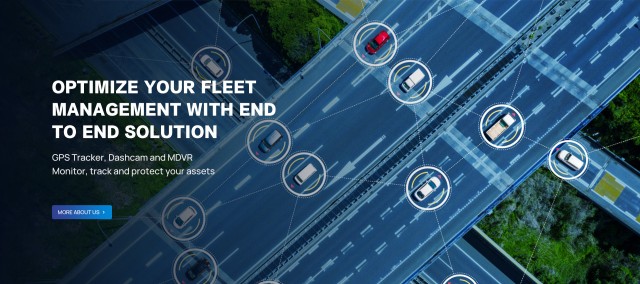
A professional manufacturer understands that a dash cam does not operate in a vacuum. It must be a central node in a larger network that includes GPS trackers and Mobile DVR (MDVR) systems. This integration allows for a unified data stream where video evidence is automatically paired with telemetry data like G-force readings, exact GPS coordinates, and vehicle diagnostic codes. For companies focused on streamlining vehicle maintenance, this synchronized data helps identify mechanical issues through the lens of driving behavior, such as detecting excessive suspension wear caused by frequent harsh braking.
Enhancing Business Efficiency through Actionable Insights
One of the most significant ways a manufacturer adds value in 2026 is by transforming raw footage into actionable business intelligence. High-volume fleets generate massive amounts of video, and manually reviewing this data is an administrative impossibility.
Advanced manufacturers solve this by implementing “Automated Event Tagging.” Using AI, the system automatically identifies and prioritizes critical incidents–such as a near-miss or a sudden impact–and uploads only the relevant clips to a centralized dashboard. This allows safety managers to focus their coaching efforts on the highest-risk behaviors. Furthermore, these insights help improve customer service by providing accurate, video-verified delivery timestamps and ensuring that cargo is handled with the utmost care, thereby reducing liability and strengthening trust with end-clients.
Ensuring Resilience in Harsh Operational Environments
Supply chains often operate in extreme conditions, and the hardware must be engineered to match. A manufacturer stands out when their products are built with industrial-grade components that can withstand high-pressure washing (IP69K ratings), extreme temperature fluctuations, and constant vibration.
Clarity is another non-negotiable factor. In 2026, standard 1080p is often insufficient for Automated License Plate Recognition (ALPR) at high speeds or in low-light conditions. Standout manufacturers utilize wide-dynamic-range (WDR) sensors and infrared LEDs to ensure that every detail–from a distant plate number to the driver’s facial expressions in a dark cabin–is captured with forensic precision. This level of detail is crucial for exonerating drivers from false claims and protecting the company from fraudulent liability.
Compliance and Data Sovereignty in a Regulated World
As global regulations regarding driver privacy and data security tighten, a professional manufacturer must provide “Compliance-Ready” hardware. This includes sophisticated data encryption and configurable privacy masks that allow fleets to comply with local labor laws and GDPR-like standards.
By automating the logging of driving hours and safety incidents, these AI-powered tools help strengthen fleet compliance without increasing the paperwork burden on drivers. This automation not only reduces the risk of fines but also helps lower insurance premiums, as underwriters increasingly offer discounts to fleets that can prove a lower risk profile through verifiable data.
The Strategic Value of the Right Partner
Ultimately, choosing a fleet safety partner is about long-term scalability. A manufacturer that offers a comprehensive suite–ranging from GPS trackers to multi-camera MDVR setups–enables a business to start with basic tracking and scale up to full AI-driven safety as their needs grow.
Yunis Technology Co. Ltd embodies this holistic approach, providing the tools necessary to optimize every facet of the fleet. When safety is treated as a data-driven discipline rather than a series of isolated incidents, the results are measurable: fewer accidents, lower maintenance costs, and a more efficient, professional operation. As we progress through 2026, the synergy between human judgment and machine intelligence will continue to be the gold standard for road safety and operational success.
The era of AI telematics has redefined the baseline for what a dash cam should be. It is no longer a silent witness; it is an active participant in the protection of assets, the development of drivers, and the profitability of the enterprise. By prioritizing manufacturers that offer edge intelligence, rugged durability, and deep system integration, businesses can ensure they are prepared for the challenges of tomorrow’s logistics landscape. To learn more about how advanced telematics can elevate your fleet’s performance and safety, visit https://www.yunistech.com/.
This article was originally published by IssueWire. Read the original article here.