As we step into 2026, there aresome skincare myths that need to be busted. These include oily skin not needing moisturizers, and only teenagers getting acne.
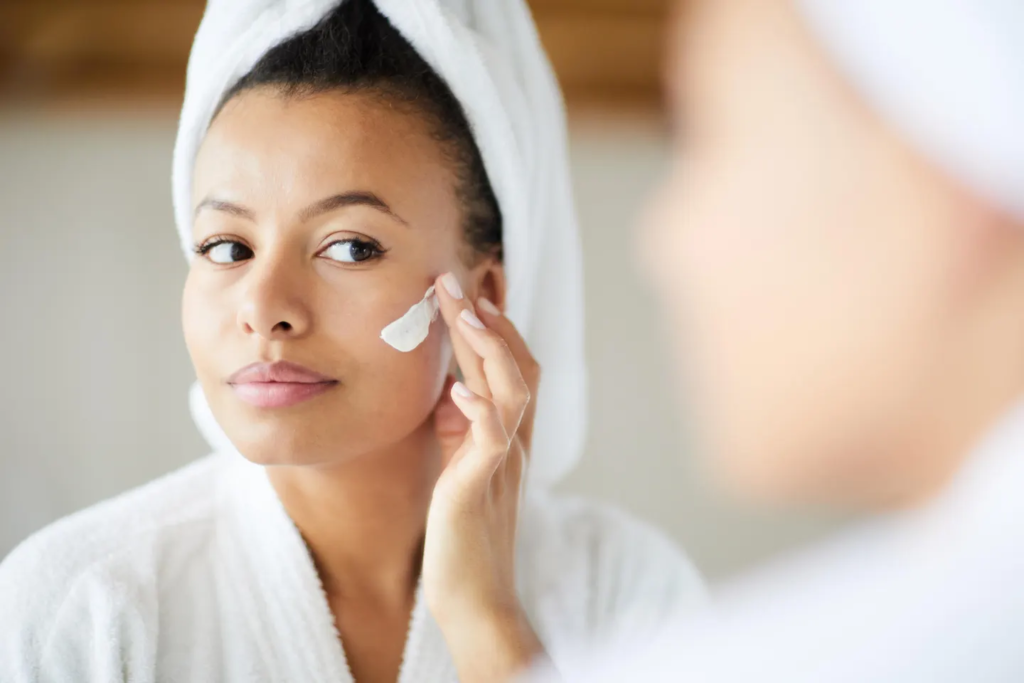
Everyone and their mothers have an opinion on skincare – your friends, people on social media, even random ads that you see scrolling at 2 a.m. However, not all advice helps. Some of the most popular myths can actually make things worse for your skin. As 2026 rolls in, it is the perfect time to set the record straight. From misconceptions about acne to confusion about SPF, in this article, we will cut through the noise so you can finally build a routine that actually works for your skin.
Let’s bust these skincare myths for good.
Myth 1: Only teenagers are affected by acne
Acne is something that just disappears after high school! Plenty of adults, especially women, still deal with breakouts well into their 30s and 40s, and it only gets more common as we age. Hormonal changes, stress, and lifestyle habits are usually behind those stubborn spots on your face. Even trying new skincare products can trigger breakouts, often called purging, which can make it feel like your skin is betraying you all over again.
The truth is that adult acne is normal, and it does not mean your routine is failing. Understanding the causes and how your skin reacts can help you tackle it without giving in to panic and build a routine that actually keeps your skin happy.
Myth 2: Oily skin does not need moisturizer
One of the biggest mistakes people with oily skin make is skipping moisturizer. It sounds counterintuitive, but when your skin does not get enough hydration, it goes into overdrive and produces even more oil. That extra oil can clog pores and lead to blackheads and breakouts. This can turn your skincare routine into a literal battle. So, what should you do? The key is picking the right moisturizer for your skin type. If you have oily skin, go for lightweight, gel-based, or non-comedogenic formulas that will work best. They hydrate without leaving a greasy film on your skin. Pick something with a water-gel texture that absorbs instantly, sinking into the skin and leaving no sticky residue. Ingredients like Hyaluronic Acid, Glycerin, Zinc, and Niacinamide deliver 24-hour hydration while keeping your skin matte and shine-free.
Balanced hydration is essential for healthy skin, no matter your skin type. Oily skin does not necessarily mean you get to skip your moisturizer. It means choosing the right one that keeps your skin happy and free of blemishes, hydrated, and clear without tipping the oil scale.
Myth 3: Higher SPF = better sun protection
Higher SPF does offer more protection, but the difference is not huge. SPF 30 blocks about 97% of UV rays, while SPF 50 blocks around 98%. Anything beyond that only adds a tiny bit more defense, so it is not worth stressing over the number alone. The real game-changer is how you apply it. Using too little or skipping reapplication means even the highest SPF cannot fully protect your skin.
For effective sun protection, stick with at least SPF 30 and apply a generous amount. To get this right, think two fingers’ worth for your face. Reapply every couple of hours, especially if you are sweating or spending time in water. A good sunscreen should absorb quickly and leave your skin feeling smooth and hydrated without a white cast. Consistent use, rather than chasing the highest SPF, is what keeps your skin safe from sun damage while still feeling light and comfortable throughout the day.
Myth 4: longer skincare routine = better skincare routine
More steps in your skincare routine do not always mean better results. Overloading your skin with too many products can irritate it and weaken its natural barrier. It even triggers breakouts. Sometimes, less really, truly is more. A simple and targeted routine usually works best. At a minimum, stick to a cleanser, moisturizer, and sunscreen – these are non-negotiable. If you want to add extras, introduce just one or two active ingredients at a time. Layering too many treatments can backfire, leaving your skin stressed rather than glowing.
The pivotal point is listening to your skin and keeping your routine manageable. So, focus on quality over quantity and let your products do their job without overwhelming your skin. A streamlined and thoughtful approach often leads to healthier and happier skin than piling on every trendy step out there.
Myth 5: Only double cleanse when you make up
Double cleansing is not just for makeup wearers. It is actually beneficial for almost everyone. Throughout the day, our skin collects dirt, pollution, and excess oil. Skipping the second step can leave these behind, preventing your skin from truly feeling clean. The first cleanse should be oil-based. It helps break down sunscreen, sebum, and other impurities without stripping your skin. Follow it up with a water-based cleanse to remove any leftover grime and prep your skin for the next steps in your routine.
A good double cleanse keeps skin soft and balanced while thoroughly cleaning pores. Look for formulas with gentle hydrators like squalane or glycerin so your skin does not feel tight or dry after washing. Ingredients that dissolve makeup and sunscreen make the first step effortless, while a mild and soap-free second cleanse ensures all residue is gone. This combination sets the stage for a healthy and glowing complexion.
Conclusion
It is soon going to be 2026, and it is time to ditch these skincare myths for good. The truth is, routines can and should be tailored to your skin type, its concerns, and your lifestyle. So, forget unnecessary steps and confusing rules that do not work for you. With the myths out of the way, you can create a routine that actually makes sense and delivers results. It is all about keeping your skincare simple, effective, and most importantly, enjoyable.
Here’s to healthier and happier skin with less stress and zero guesswork; finally feeling confident in your own glow!