Travel across continents through food and discover national dishes that bring people together. Each plate carries flavors that stay with you long after the meal.
Food might be the best storyteller there is. One bite can pull you back into old memories, family dinners, or a place you have never seen before. Cooking a familiar dish can feel grounding, while trying something new can open doors. When life shifts, and home feels far away, food has a quiet way of bringing comfort. A recipe you grew up with, or a meal you discovered later, can carry meaning. This blog explores iconic national dishes that hold stories of culture, tradition, family, and shared pride!
Western Europe: A meeting point of flavor and heritage
From quiet seaside towns to lively city cafés, Europe’s food scene shifts with every region. Each place brings its own flavors. The taste is shaped by history and everyday life.
Italy: Ragù alla bolognese
Many people assume pizza holds the title of Italy’s national dish. Yet comfort in Italy often looks different and tastes much deeper. If comfort had a flavor, it would likely be ragù alla bolognese. Born in Bologna, this slow-cooked sauce is built with patience and care. Minced beef, tomatoes, and a gentle splash of wine come together over low heat. The sauce simmers for hours, slowly turning silky and full of warmth. Nothing is rushed. When served over fresh tagliatelle, it feels familiar and grounding. This is the kind of meal that fills a home with quiet anticipation. It invites everyone to sit down and stay a while. Ragù alla bolognese is not flashy or loud. It carries tradition in every bite. It speaks of family kitchens, long afternoons, and recipes passed down with love.
France: Pot-au-feu
There is cozy food, and then there is pot au feu. This slow-cooked stew feels like the heart of French home cooking. Braised beef rests alongside root vegetables and gentle herbs, all simmering together until the broth turns deep and comforting. Nothing about it feels rushed. The pot stays on the stove for hours, filling the home with a quiet warmth that settles into every room. Across generations, families in France have gathered around this dish, breaking bread and dipping it into the rich broth. Conversations stretch easily, moving from small talk to shared memories. Pot au feu is not meant to impress with flair. It is meant to nourish and to slow time. The dish is meant to bring people closer. Even after the plates are cleared, the feeling lingers. It is the kind of meal that stays with you, not for how it looks, but for how it makes you feel.
Spain: Paella
Picture a warm Spanish afternoon where time feels unimportant. Your friends have gathered outside, talking and laughing, while a wide pan of rice sits at the center of the table. That dish is paella. Traditionally, it starts with chicken, rabbit, and rice infused with saffron. Slowly, it has taken on new forms across different regions, shaped by local ingredients and habits. Each version tells its own story. Paella holds a special place in Spanish culture. It is more than a meal. It is a reason to come together. The pan is meant to be shared, not separated into portions. People eat straight from it, pausing often to talk. Conversations stretch on without a rush. Plates may be empty, but no one feels ready to leave. Paella captures that feeling perfectly. Food and company are moving gently in the background.
United Kingdom: Fish and chips
Sometimes comfort shows up wrapped in paper and eaten with your hands. Fish and chips have long felt like Great Britain’s quiet love language. Crisp battered cod sits beside thick-cut fries, finished with salt and a sharp splash of vinegar. Simple and deeply satisfying. It first appeared during the Industrial Revolution and quickly became a working-class staple. With time, the dish grew into something much bigger. It became a familiar favorite tied to memory and routine.
For those far from home, finding a proper chippie can feel like striking gold. One bite can bring back seaside walks, cold air, and the sound of waves nearby. Even the thought of dodging seagulls feels familiar. It is food that travels with you, no matter where you are.
Eastern Europe: A Hub of Rich Flavors and Soulful Comfort
Eastern Europe’s food feels like a warm embrace. It is simple and filling and built for comfort and made to gather people around the table.
Poland: Pierogi
Pierogi feel like small pockets of happiness and sit at the heart of Polish comfort food. These soft dumplings are filled with mashed potatoes, cheese, mushrooms, or sweet fruit, offering warmth and familiarity in every bite. Almost every Polish family has its own version, carefully passed down and often saved for Christmas or other meaningful celebrations where food carries extra weight.
Making pierogi is rarely done alone and often turns into a shared family ritual. The dough is rolled, filled, and then sealed by different hands, with flour on the table and conversation flowing freely. The process can be messy and slow, but that is part of the charm. What makes pierogi special is not only how they taste, but how they bring people together long before they are served.
Ukraine: Borscht
Vibrant and deeply comforting, borscht holds a special place in Ukrainian food culture. This rich ruby red soup is built around beets, which give it color and depth, layered with cabbage, potatoes, and often a touch of meat for warmth and body. Every pot taste slightly different, shaped by family habits and regional traditions. Borscht can be served steaming hot on colder days or enjoyed chilled when the mood calls for something lighter, yet it always feels grounding. A generous spoon of sour cream melts into the broth, softening its earthiness, while crusty bread waits nearby to soak up every last drop. More than a dish, borscht feels like a ritual. It brings people to the table and encourages them to slow down. Each bowl carries comfort, memory, and a sense of home that lingers well after the meal ends.
East Asia: Where Detail Meets Depth on the Plate
In East Asia, cooking is a carefully honed craft where every ingredient, every movement, and every flavor carries intention. This precision turns each dish into an experience, making the cuisine deeply memorable and extraordinary.
Japan: Curry rice
Japanese curry rice, or kare raisu, is a dish that embodies comfort in its richest form. Thick, rich, and gently spiced, it wraps every grain of rice in a mild and slightly sweet sauce that soothes rather than overwhelms the palate. Unlike the fiery curries found in South Asia, Japan’s version favors warmth and familiarity overheat, making it a dish everyone can enjoy.
Introduced to Japan in the late 1800s through trade, curry quickly became more than a novelty. It adapted to local tastes, evolving into a staple found in homes across the country. Families serve it in simple bowls, sometimes topped with pickles or a soft-boiled egg. This lets the flavors settle comfortably on the tongue. Japanese curry is the kind of meal that feels like home no matter where you are. The dish is like warmth on a plate, a quiet comfort that lingers long after the last bite.
South Korea: Kimchi
Kimchi is a Korean cultural symbol that has found fans all over the world. This fermented dish is built on cabbage, radish, and a mix of chili and seasonings. It delivers a bold, tangy, and slightly spicy flavor that is instantly addictive. It is the kind of food that grows on you, deepening in taste with every bite. Kimchi often carries the warmth of home in each mouthful. Every Korean family has its own version of kimchi, passed down through generations and adjusted to local tastes. Preparing it is often a communal activity during Kimjang, the annual kimchi-making season, where families and neighbors gather to chop, season, and pack large quantities together. This shared effort transforms the process into a celebration of togetherness, patience, and care.
Kimchi, alongside other national dishes like bibimbap, reminds the world that great food takes time and attention. Its depth of flavor comes not just from fermentation, but from the people, traditions, and stories behind it, making it a dish that connects generations and bridges cultures effortlessly.
China: Peking duck
Peking duck is a masterpiece of Chinese cuisine, celebrated for its perfectly crispy skin and tender, juicy meat. What was once a dish reserved for emperors has become a beloved favorite around the world. Peking duck is now admired for both its flavor and the care that goes into preparing it. The process begins with carefully selected ducks that are air-dried, allowing the skin to achieve that signature crispiness during roasting. They are then glazed to enhance color and taste before being slow roasted to perfection. Once cooked, the duck is sliced thin, each piece a combination of crunchy skin and succulent meat.
Traditionally, the slices are served with delicate pancakes, fresh scallions, and a touch of sweet, savory hoisin sauce. Eating Peking duck is an experience that combines texture, flavor, and ritual. It is a dish meant to be savored slowly and shared, capturing the elegance and richness of Chinese culinary tradition.
South and West Asia: Flavors that Dance with Spice and Warmth
In South and West Asia, food is a celebration of life. Kitchens hum with the aroma of spices, the rhythm of laughter, and recipes passed down through generations. It is where each dish carries stories, culture, and warmth on every plate.
India: Khichdi
If India were to have a culinary personality, it would be best captured by biryani and khichdi. These are the two dishes that feel worlds apart yet somehow belong together. Biryani is grand, festive, and layered with flavors that speak of celebration. Fragrant basmati rice mingles with tender meat, spices, and saffron, each bite a journey through richness, history, and care. It’s the dish that fills tables during weddings, festivals, and special gatherings, a true statement of indulgence and joy.
Khichdi, on the other hand, tells a quieter story. A simple and humble mix of rice and lentils, cooked slowly to creamy perfection, it comforts and soothes. Khichdi is the food of home, of quiet evenings, of healing bowls that feel like a hug. Together, these dishes capture India’s culinary heart: a love for contrast and balance. Spice meets calm, complexity meets simplicity, and celebration meets comfort. They remind us that Indian cuisine thrives in both grandeur and gentleness, in both feasts and everyday meals.
Pakistan: Nihari
Across the border in Pakistan, nihari reigns as the ultimate breakfast for slow mornings and weekend indulgence. This rich stew is made by simmering beef or lamb overnight, letting the meat become tender enough to melt in your mouth while the spices deepen into a warm and aromatic broth. Traditionally enjoyed with soft and pillowy naan and a squeeze of fresh lemon, it is a meal that invites both patience and appetite. The scent alone drifts through streets, it draws neighbors to the kitchen and promises comfort in every bite. Nihari is a ritual, a way to start the day with something hearty and unmistakably indulgent. It blends flavor, tradition, and a sense of celebration in every simmering pot.
Sri Lanka: Rice and curry
Sri Lankan rice and curry is a whole experience. A central mound of rice is surrounded by an array of small curries, each made with vegetables, lentils, meat, or fish. Coconut milk, chili, and fragrant spices create layers of flavor that hit every corner of the palate. Every household brings its own touch to the dish, shaped by local ingredients, family recipes, and regional influences. The combination is a careful balance: fiery heat softened by creamy textures, with a hint of sweetness tying it all together. Eating it feels like tasting the heart of Sri Lanka, where tradition and bold flavors converge, offering comfort and a little adventure all on a single plate.
The Middle East: Where Every Plate Tells a Story of Generosity
In the Middle East, food is love in motion. Meals are shared here, and hospitality flows freely. Every guest here is welcomed as part of the family from the first bite.
Lebanon: Kibbeh
Kibbeh sits at the heart of Lebanese cooking and carries a quiet sense of pride. Made from bulgur, finely minced meat, and warm spices, it feels earthy and fragrant without trying too hard. This dish often appears during special occasions, when food becomes a way to mark moments that matter. Kibbeh takes many forms. It can be fried until crisp, baked until tender, or served raw with careful balance and trust in technique. Each version highlights the same idea. Simple ingredients treated with care can create something deeply memorable. Kibbeh shows how Lebanese food turns restraint into beauty and tradition into flavor, all while bringing people together around the table.
Turkey: Döner kebab
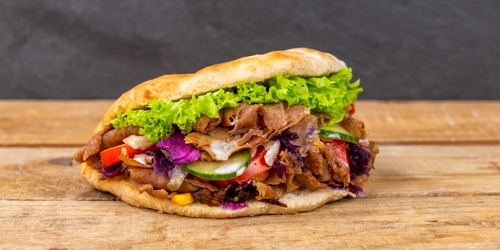
Stacked high and slow roasted, döner kebab is a street food icon that has traveled far beyond its roots. In Turkey, it remains a familiar and much-loved staple. The dish is found on busy streets and late-night corners. Layers of seasoned meat turn slowly on a vertical spit, roasting evenly until rich and tender. Thin slices are shaved off and tucked into warm bread, finished with simple sauces and fresh toppings. It is quick to serve but never careless in flavor. Döner feels comforting and satisfying, the kind of food you crave without planning. It proves that fast food can still carry tradition and heart in every bite.
So, the next time you visit a new place, take a little time to explore the dish that represents the nation!