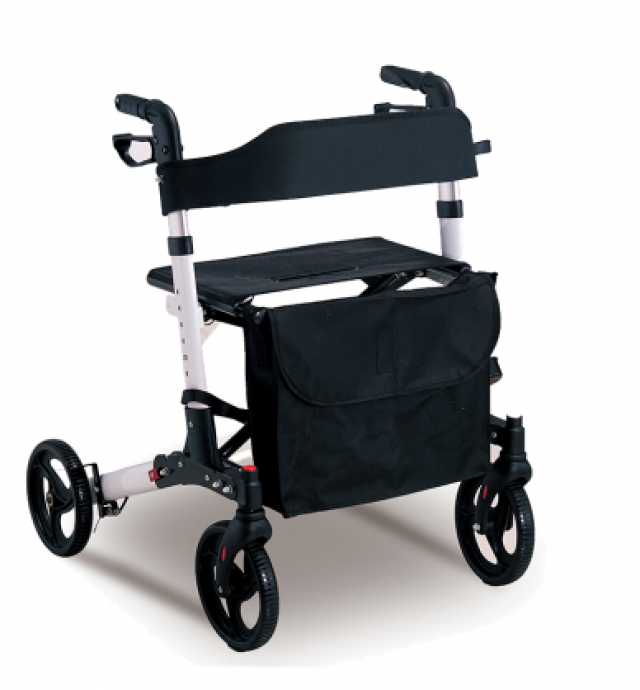
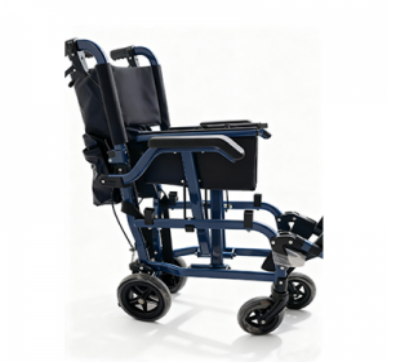
(Isstories Editorial):- Foshan, Guangdong Dec 19, 2025 (Issuewire.com) – FOSHAN LIFECARE TECHNOLOGY CO.,LTD, a manufacturer and exporter dedicated to the production of homecare rehabilitation products, outlined the core factors and quality management systems that define its role in the global supply chain. Established in 1999, the company focuses on delivering consistency and compliance in mobility solutions to international partners. The exhibition of these capabilities establishes LIFECARE’s standing as a distinguished China OEM High-Quality Wheelchair Manufacturer. These products are integral to daily life for users needing mobility assistance. The company specializes in the use of high-strength, optimized metal framework for mobility aids that balance robust structural integrity with ease of use and transport. The core business operation is focused on meeting the rigorous specifications and volume demands of international distribution and established home healthcare brands.
Part I: Global Dynamics – The Expanding Landscape of Homecare Mobility
The market for homecare rehabilitation equipment, particularly wheelchairs and associated mobility aids, is experiencing a period of significant, sustained growth. This expansion is driven by a convergence of demographic shifts, evolving healthcare economics, and continuous technological advancement, making the sector highly dynamic and strategically important for global manufacturers.
More on Isstories:
- Pro-Line Trailers to Exhibit at MDA Car Show 2026
- COAST: The China Smart Glass Film Manufacturer Bridging Aesthetics and Energy Efficiency
- A Professional Guide to Choosing a High Quality Rare Earth Heat Blocking Window Film Manufacturer
- Scientist-Turned-Seeker Reframes Ancient Wisdom in Echoes from a Spiritual Name
- Empowering Green Buildings: China Smart Glass Film Manufacturer Providing Sustainable Privacy Solutions
1. Demographic Pressures and the Aging Global Population
The primary driver of market expansion is the universal trend of population aging. Increased longevity leads directly to a higher incidence of age-related conditions, chronic diseases, and reduced mobility, creating a fundamental and sustained demand for assistive devices. This demographic shift necessitates that manufacturers focus not only on volume but also on the long-term durability and ergonomic design of products to serve an elderly user base that requires reliable support over many years. This trend ensures the homecare segment remains essential to public health infrastructure worldwide.
2. Healthcare Paradigm Shift and Economic Efficiency
The global trend in healthcare policy is a definitive shift toward decentralizing care from expensive hospital and institutional settings into the patient’s home. This transition is economically motivated, aiming to reduce overall healthcare expenditure while maintaining, or improving, patient comfort and quality of life. For manufacturers, this means a steady increase in demand for standardized, safe, and easily maintained home-use medical equipment. The market favors suppliers that can consistently provide products that meet clinical standards but are practical for non-professional home environments.
3. Technological Integration and Product Evolution
Technological innovation is reshaping the mobility segment. The industry is seeing advancements in two key areas: materials and features. In materials, the use of lightweight, high-strength alloys is standard, improving product maneuverability. In features, there is a growing market for sophisticated components, including enhanced braking systems, shock absorption, and, increasingly, integration of electric assist features for powered mobility devices. Successful manufacturers must demonstrate the capability to integrate these design and material enhancements while maintaining competitive cost structures typical of the OEM model.
4. The Mandate for Quality Compliance and Global Standards
For any manufacturer exporting homecare rehabilitation products, strict adherence to diverse international quality and regulatory standards is a crucial factor. The global supply chain demands suppliers whose quality management systems are independently verified. Compliance with standards such as CE (European Conformity), FDA (U.S. Food and Drug Administration), and international ISO standards is mandatory for market access and demonstrates a commitment to product safety. This increasing global scrutiny necessitates that manufacturers integrate robust quality control protocols directly into their production processes.
Part II: LIFECARE Aluminums Co., LTD. – Operational Profile and Quality Systems
Established in 1999, FOSHAN LIFECARE TECHNOLOGY CO.,LTD., has structured its operations around the reliable production of certified homecare rehabilitation products. The company’s capabilities are rooted in its infrastructure, specialized workforce, and verified quality management systems.
1. Manufacturing Infrastructure and Dedicated Workforce
LIFECARE’s operational base includes 3.5 acres of land with a substantial 9,000 square meters of building area. This infrastructure is specifically configured to optimize the manufacturing process, supporting the large-volume production cycles required by international OEM partners. The team of over 200 employees includes a dedicated management staff of 20 and a technical staff of 30. This distribution of human resources emphasizes quality supervision, precise engineering execution, and rigorous control over the aluminum fabrication process.
2. Commitment to Verified Quality and Compliance
A distinguishing feature of LIFECARE’s manufacturing approach is its comprehensive adherence to international quality protocols. The company’s processes are governed by established global quality management systems, which include:
ISO Certification: Compliance with ISO standards confirms the implementation of systematic management processes to ensure consistent quality output.
CE Mark: The products achieve the CE marking, signifying conformity with the health, safety, and environmental protection standards for products sold within the European Economic Area.
FDA Registration: Adherence to U.S. FDA requirements allows the products to be legitimately marketed within the United States, demonstrating compliance with rigorous safety and efficacy standards.
GB/T13800 Standard: Compliance with this national standard for China’s wheelchair industry ensures products meet established benchmarks for quality and performance within the domestic manufacturing context.
This layered compliance strategy provides international distributors with assurance regarding product safety and market accessibility.
3. Technical Specialization and R&D Capabilities
LIFECARE maintains a strong focus on technical specialization, particularly in the use of aluminum for mobility aids. This expertise allows for the optimization of product weight without compromising load-bearing capacity. The dedicated team for new product development continuously works to refine designs, integrate technical feedback from clients, and ensure that product features align with contemporary rehabilitation requirements, such as enhanced folding mechanisms and improved component durability.
4. Primary Product Applications and Client Relationships
The company’s portfolio primarily supports daily mobility and recovery across various settings:
Elderly Residential Care: Providing stable, user-friendly mobility aids crucial for safe movement and accident prevention in aging populations.
Rehabilitation Centers and Home Use: Supplying equipment utilized for patient transfer, movement assistance, and aiding in post-injury or post-surgical recovery protocols.
LIFECARE’s core business centers on serving as a reliable OEM partner to global distributors and well-known brands. This relationship is built upon the consistent delivery of certified products manufactured to exacting specifications, making the company an integral component in the international supply chain for homecare rehabilitation equipment.
For more information regarding LIFECARE’s product offerings and quality assurance standards, the corporate website can be accessed at https://www.nhwheelchair.com/.
This article was originally published by IssueWire. Read the original article here.