(Isstories Editorial):- Foshan, Guangdong Dec 19, 2025 (Issuewire.com) – The global healthcare sector faces a persistent challenge: balancing the demand for high-quality, safe medical equipment with the need for cost-effective procurement. As health systems worldwide strive to extend quality care within tightening budgets, manufacturers capable of delivering compliance and durability at an accessible price point gain significant traction. FOSHAN LIFECARE TECHNOLOGY CO.,LTD, operating under the brand LIFECARE, has established a clear market position through its focused mission: to be a Highly Cost-Effective Medical Care Products Manufacturer. The company specializes in the design, production, and distribution of essential Durable Medical Equipment (DME), including wheelchairs, commode chairs, crutches, walkers, and safety bed rails. These products are foundational to enhancing mobility, ensuring patient safety, and supporting independence for the elderly, individuals with disabilities, and those undergoing rehabilitation. LIFECARE’s operational strategy emphasizes optimizing production processes without compromising adherence to international safety standards, demonstrating how value can be created through efficiency and scale.
Global Healthcare Trends: Demand for Value in Medical Devices
The trajectory of the healthcare industry is increasingly shaped by dual pressures: escalating chronic disease rates and constrained public healthcare spending. This context significantly amplifies the importance of manufacturers who can deliver certified quality and competitive pricing across various healthcare settings.
More on Isstories:
- Pro-Line Trailers to Exhibit at MDA Car Show 2026
- COAST: The China Smart Glass Film Manufacturer Bridging Aesthetics and Energy Efficiency
- A Professional Guide to Choosing a High Quality Rare Earth Heat Blocking Window Film Manufacturer
- Scientist-Turned-Seeker Reframes Ancient Wisdom in Echoes from a Spiritual Name
- Empowering Green Buildings: China Smart Glass Film Manufacturer Providing Sustainable Privacy Solutions
1. The Global Cost Containment Mandate
Healthcare providers, distributors, and governments are now prioritizing value-based procurement over sheer purchasing volume. The necessity to contain costs across large-scale health systems means there is a high demand for manufacturers who can maintain robust quality control and compliance (e.g., ISO and CE standards) while leveraging efficient operations to offer lower unit costs. This shift is critical for the long-term financial sustainability of public health programs in both developed and emerging economies, where budget allocation for medical devices must be maximized without sacrificing patient safety. This mandate drives a preference for partners with proven manufacturing efficiency and financial transparency.
2. Diversified Needs in Institutional and Home Care
The market is increasingly segmented, requiring manufacturers to produce a diverse product mix suitable for multiple environments. Hospitals require specialized, heavy-duty equipment (like complex hospital beds), while the burgeoning homecare sector demands lighter, more adaptable, and easily stored items (like simple walkers and folding commodes). A key trend is the requirement for product modularity and compatibility, allowing distributors to service varied client needs–from a large nursing facility to an individual home setting–using a consistent and reliable product source. This adaptability is key to serving the growing need for home-based rehabilitation and ensuring that patient care transitions smoothly between institutional and domestic settings.
3. Supply Chain Resilience and Traceability
Recent global events have highlighted the critical need for resilient medical supply chains. International buyers are seeking manufacturing partners that offer stability, transparency, and a clear chain of custody for materials. Companies that manage their raw material sourcing and production processes efficiently, like LIFECARE, are better positioned to guarantee supply stability and price consistency, adding significant value beyond the basic product cost. This supply chain reliability is now considered a fundamental component of the total value proposition, mitigating the risk of operational interruptions for international distributors.
4. Regulatory Convergence and Quality Benchmarks
The standard for basic medical devices is not local, but global. Achieving essential certifications from key international bodies is a prerequisite for entry into most established markets. This convergence means manufacturers must build quality into the core of their design and manufacturing, rather than viewing compliance as an afterthought. Enterprises focusing on high-volume production must consistently integrate these quality benchmarks to succeed in international distribution, ensuring their devices meet stringent safety and durability tests worldwide, thereby minimizing liability risks for distributors and end-users.
LIFECARE: Delivering Certified Value Through Operational Mastery
LIFECARE, achieves its position as a Highly Cost-Effective Medical Care Products Manufacturer by meticulously controlling the entire value chain, from raw material to final shipment, while upholding its missionservice first, new product release, quality of all employees, and rapid manufacturing.
1. Vertical Integration and Manufacturing Focus
A primary driver of cost-effectiveness is the company’s dedicated manufacturing footprint. The facility in Foshan, Nanhai District features a factory area covering 9,000 square meters and operates an integrated production and sales model. This setup allows for tight control over production scheduling, inventory, and labor, significantly reducing reliance on external contractors and maintaining uniformity in manufacturing quality across all product lines.
Geographic Advantage: The strategic location within the Pearl River Delta, a major global manufacturing and logistics hub, ensures efficient access to extensive supply chain networks and streamlined transport links to ports for international distribution. This logistical advantage minimizes overhead costs and speeds up the delivery cycle for global clients, improving overall service responsiveness.
2. Comprehensive Mobility and Safety Portfolio
LIFECARE’s product expertise spans several essential mobility categories, crucial for providing comprehensive care solutions:
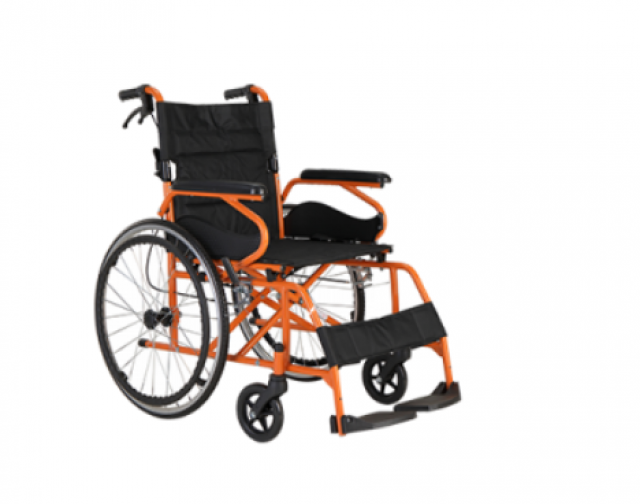
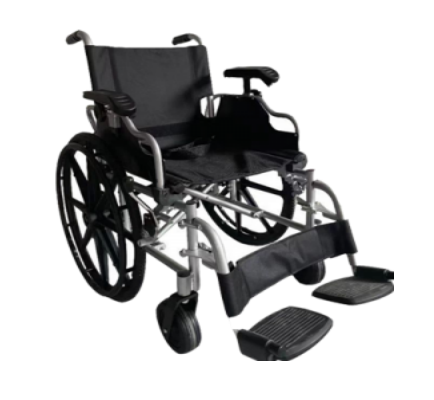
Mobility Aids: Includes manual and electric wheelchairs, rollators, and various walkers, essential for facilitating movement and aiding rehabilitation progress both indoors and outdoors, designed with a focus on lightweight durability.
Safety Devices: Focuses heavily on bed safety, including fixed and collapsible bed side rails, and various patient handling accessories that directly address the critical risk of patient falls in institutional and home environments, offering essential protective measures.
Personal Care Products: Encompasses commode chairs and shower chairs, designed for durability, ease of use, and quick sanitation in patient care settings, promoting hygiene and independence for the user and efficiency for the caregiver.
The breadth of this portfolio allows international distributors to consolidate their sourcing requirements through a single, reliable point of contact, further enhancing the cost efficiency of the procurement process and simplifying logistics management.
3. Quality Assurance as a Cost Control Measure
Rather than viewing quality assurance as a separate expense, LIFECARE integrates an internationally certified quality management system into its core operations. This proactive approach significantly reduces manufacturing defects, product recalls, and customer service issues–all of which are hidden costs that fundamentally undermine overall product value.
Global Compliance: Continuous adherence to global standards (e.g., European and American market requirements) ensures products are market-ready upon completion, avoiding costly retrofitting or testing delays and guaranteeing immediate market entry upon delivery, providing market confidence to distributors.
4. Client Success and Strategic B2B Partnerships
LIFECARE’s business model is centered on serving high-volume international distributors and major institutional healthcare groups. This focus on B2B supply facilitates operational efficiency through predictable, large-scale order volumes and standardized shipping logistics. The company’s long-standing supply relationships confirm its reliability and its ability to consistently deliver product performance that meets global tender requirements, solidifying its reputation for value and reliability among global procurement professionals.
In conclusion, LIFECARE successfully manages the quality-price equation by leveraging operational scale, maintaining a certified quality system, and focusing on supply chain efficiency. This approach ensures the company remains a competitive and essential provider of safe, reliable, and affordable medical care products in the global marketplace, positioning it favorably for continued growth in the homecare sector.
For more information on the full product range and the company’s commitment to quality manufacturing, please visit the official corporate website: https://www.nhwheelchair.com/
This article was originally published by IssueWire. Read the original article here.