(Isstories Editorial):- Shenzhen, Guangdong Dec 18, 2025 (Issuewire.com) – In the rapidly evolving precious metals sector, the demand for reliable, efficient, and technologically advanced casting systems continues to grow. As refiners, bullion manufacturers, and materials research institutions refine their production standards, choosing the right casting equipment has become an essential strategic decision. At the center of this transition stands a Global Leading Gold Bullion Casting Machine Factory, represented by Hasung, a Shenzhen-based technology enterprise known for its engineering-quality approach to heating, smelting, and precision casting equipment. Established in 2014 and operating from a 5,500-square-meter facility, Hasung focuses exclusively on developing high-end machinery such as vacuum ingot casting machines, high-vacuum continuous casting systems, induction melting furnaces, metal powder atomizers, rolling mills, and a range of bullion and granulation equipment.
This press release provides an industry-oriented guide to selecting advanced casting systems while offering an overview of market developments and the role played by companies like Hasung in shaping production standards across precious metals and new material industries.
Market Outlook: Technology Upgrades and Rising Quality Expectations
More on Isstories:
- Industry Guide: Selecting Equipment from a Global Leading Gold Bullion Casting Machine Factory
- HIC Global Solutions Appoints Industry Veteran Tim Keefe to Advisory Board, Strengthening Strategic Governance
- Chris Khouri Recognized by BestAgents.us as a 2026 Top Agent
- Alex Hemmat, Founder – Executive Board Member of Charge 1, Announces AI Integration
- Premier Supplier: LST Offers High-End Chocolate Machine Solutions for Global Confectionery Excellence
The global precious metals processing industry is undergoing a structural shift driven by multiple interconnected trends. First, the gold and silver investment market continues to experience stable long-term demand, encouraging refineries and bullion manufacturers to scale production while also reinforcing quality control requirements. As more consumers and institutional buyers expect uniformity, security features, and traceability in bullion products, upstream equipment must support consistent temperature control, reduced porosity, and improved material purity.
Second, industrial applications for metals such as gold, silver, and platinum are broadening. Electronics, electric vehicles, renewable energy systems, medical devices, and aerospace components all rely on precise metal properties that can be influenced by melting and casting technology. This diversification is pushing manufacturers toward equipment capable of higher vacuum levels, more efficient induction heating, and automated control mechanisms that enhance stability and reproducibility.
Third, the new materials industry–including powder metallurgy, additive manufacturing feedstock production, and research on advanced alloys–requires accurate atomization and granulation methods. Traditional open-air melting or low-vacuum systems are being replaced by high-vacuum, contamination-controlled alternatives. Manufacturers increasingly prioritize equipment that supports fine particle distribution, repeatable microstructure formation, and reduced oxidation.
Fourth, sustainability pressures are reshaping production decisions. The shift toward energy-efficient heating technologies, reduced metal loss, and lower emissions is accelerating global adoption of induction melting and vacuum casting systems. For enterprises working with precious metals, even marginal improvements in efficiency translate into meaningful economic gains, making the adoption of modern equipment a logical investment.
Together, these trends illustrate why selecting the right casting solution is becoming a technical and strategic priority for businesses across both traditional precious metal markets and emerging material applications.
Practical Guide to Selecting Gold Bullion and Precious Metal Casting Equipment
Choosing suitable casting equipment requires balancing production goals with technical capabilities. While the industry offers a wide range of options, several foundational considerations can help decision-makers evaluate systems effectively.
Assessing Production Scale and Application Requirements
Before selecting a casting solution, organizations should assess their production volume, desired product formats, and downstream processing needs. For instance, bullion manufacturers producing investment-grade bars may require vacuum ingot casting machines that ensure uniform density and smooth surface quality. In contrast, workshops focused on jewelry components may prioritize smaller induction melting furnaces that allow flexibility across multiple metal types.
High-vacuum continuous casting systems are generally suited for enterprises producing strips, wires, or materials used in electronics and precision engineering. These systems allow stable, oxygen-free casting conditions vital for conductivity and mechanical performance.
Evaluating Vacuum Technology and Temperature Control
Vacuum performance plays a critical role in minimizing impurities and preventing oxidation. Equipment designed with high-vacuum components and precise induction heating offers more stable melt characteristics, which results in higher-quality end products. Buyers should evaluate whether a machine supports deep vacuum ranges, rapid evacuation, and consistent temperature distribution across the melt crucible.
Advanced systems like vacuum granulation equipment and atomizers also benefit from stable vacuum environments, enabling the formation of spherical metal granules or powders with predictable sizes and microstructures.
Automation, Process Monitoring, and Safety
Modern casting machinery incorporates automation features such as programmable controls, real-time temperature feedback, and vacuum pressure monitoring. These capabilities reduce human error and contribute to consistent batch quality. Safety systems–including overheating protection, sealed casting chambers, and emergency shutdown mechanisms–are especially essential in high-temperature metal processing environments.
Material Compatibility and Long-Term Maintainability
Equipment selection should account for the types of metals being processed, as gold, silver, copper, platinum, and specialty alloys have differing melting behaviors. Machine durability, spare part availability, and maintenance support will influence lifecycle costs. Manufacturers working with high-value metals often prioritize equipment known for stability and minimal metal loss.
By aligning technical features with operational requirements, buyers can make informed decisions that support both immediate production objectives and future expansion.
Hasung’s Key Strengths, Product Applications, and Industry Use Cases
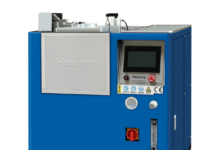
As a specialized manufacturer focused solely on high-end smelting and casting equipment, Hasung has developed technologies addressing many of the industry needs outlined above. Its portfolio includes vacuum ingot casting machines commonly used for bullion production, induction melting furnaces suitable for jewelry and laboratory applications, continuous casting systems for wire and strip production, and high-vacuum equipment designed for applications requiring oxygen-free processing.
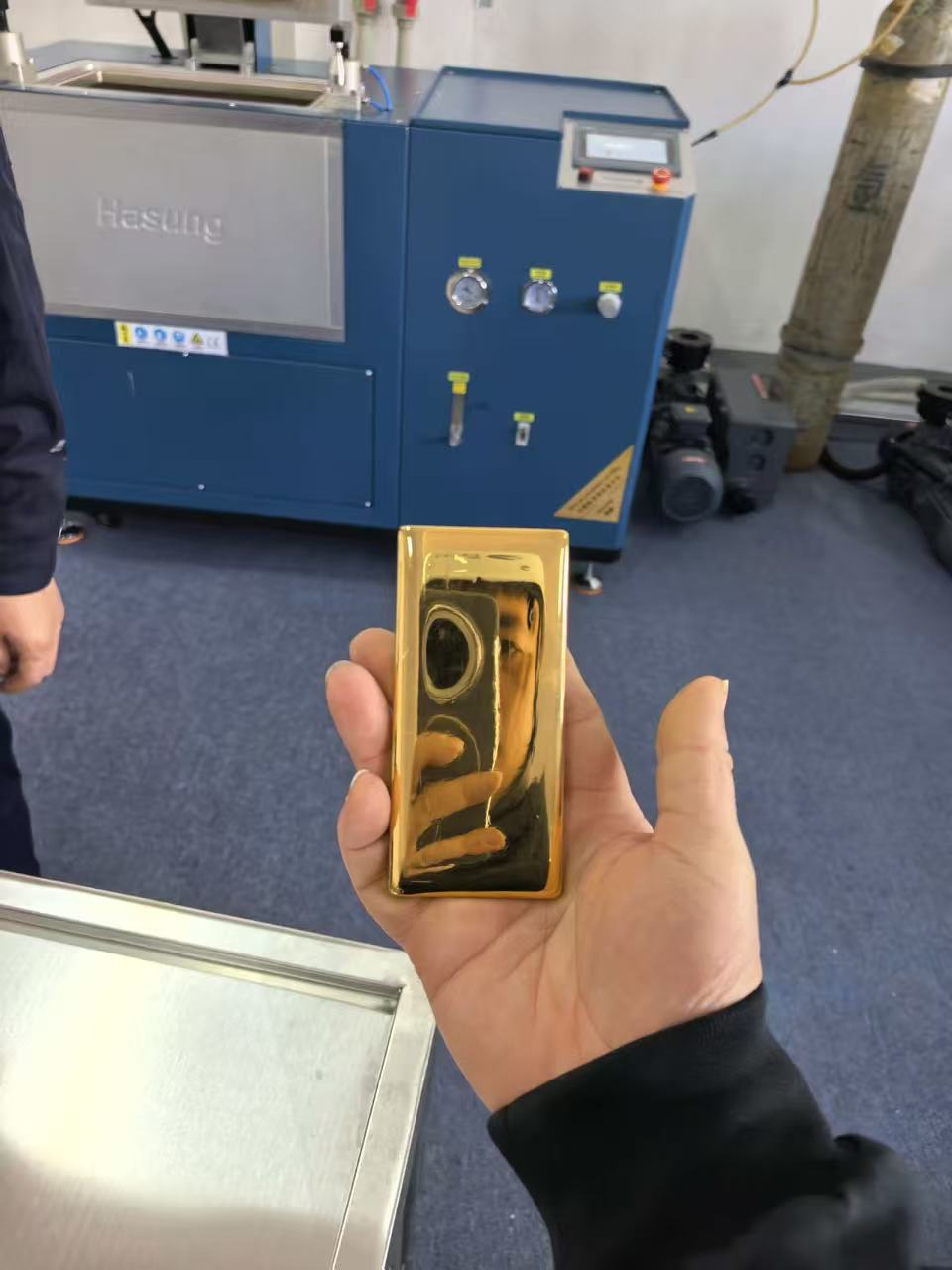
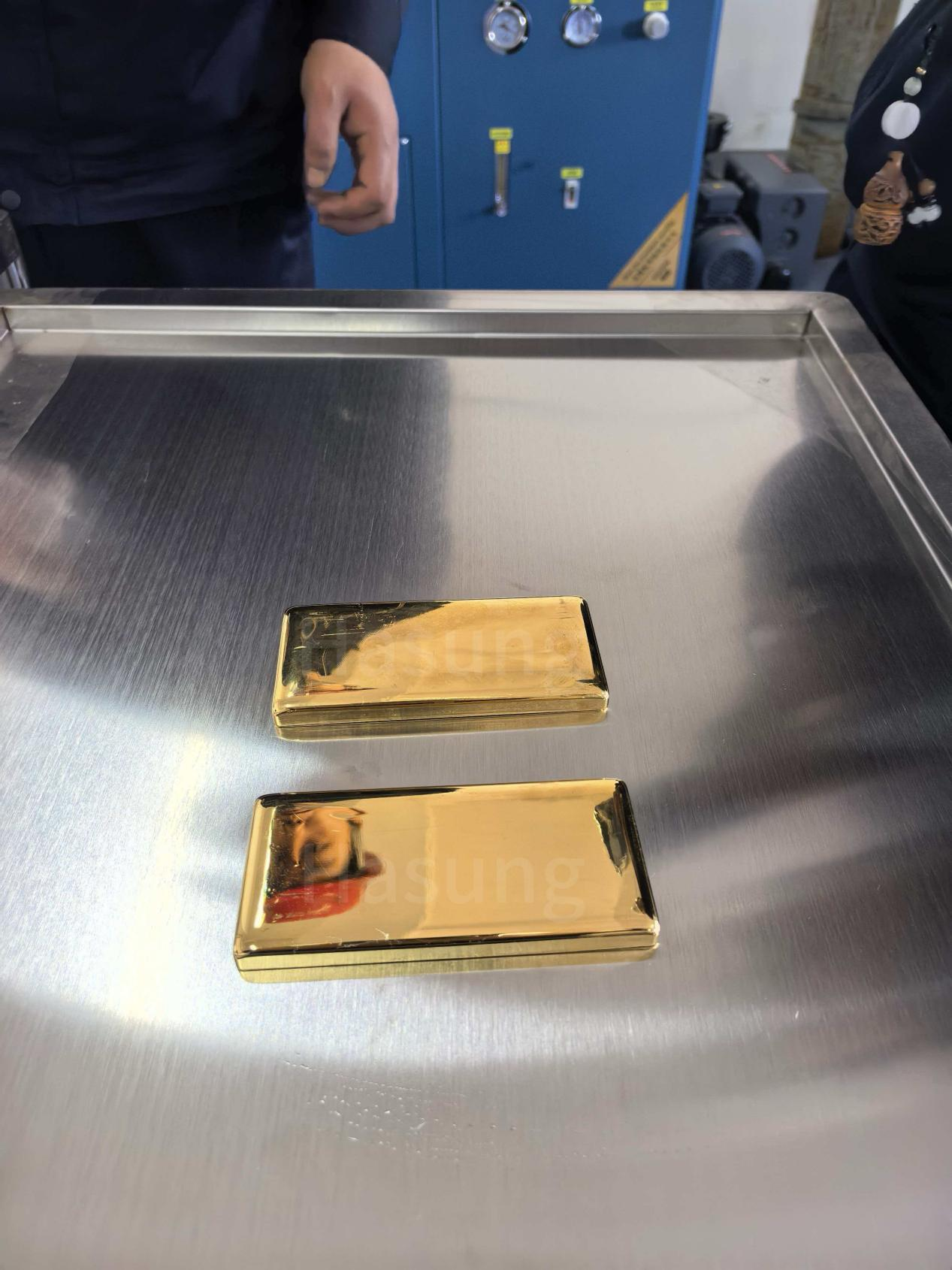
One distinguishing characteristic of Hasung’s equipment is the emphasis on high-vacuum engineering across multiple product categories. This is particularly relevant for manufacturers aiming to enhance metal purity and reduce surface defects. For example, gold and silver bar vacuum casting machines support the production of refined bullion with consistent weight, shape, and surface finish. Such systems are frequently adopted by small and medium-sized refineries as well as institutional bullion producers that require dependable batch consistency.
In the new materials sector, Hasung’s metal powder atomizers and granulating equipment are used to create feedstock for powder metallurgy and research applications. These systems allow precise control over particle distribution, supporting downstream processes such as alloy development, 3D printing material preparation, and advanced component manufacturing.
Hasung’s customer base spans metal refineries, jewelry manufacturers, research institutes, and industrial enterprises. Many clients operate in regions where quality and production efficiency standards are rapidly rising, making stable, well-engineered casting systems essential. The company’s focus on high-quality components, controlled manufacturing processes, and engineering-driven design principles aligns with customer needs in sectors where precision and reliability directly influence product value.
As the precious metals and new materials industries continue to advance, selecting the right casting equipment remains vital to ensuring product integrity, operational efficiency, and long-term competitiveness. Companies like Hasung contribute to this progress by providing solutions designed for high-precision manufacturing environments. More information about the company and its product portfolio can be found at: https://www.hasungcasting.com/.
Shenzhen Hasung Precious Metal Equipment Technology Co., Ltd
[email protected]
No. 11 Jinyuan 1st Road, He’ao Community, Yuanshan Street, Longgang District, Shenzhen City, Guangdong Province
https://www.hasungcasting.com/
This article was originally published by IssueWire. Read the original article here.