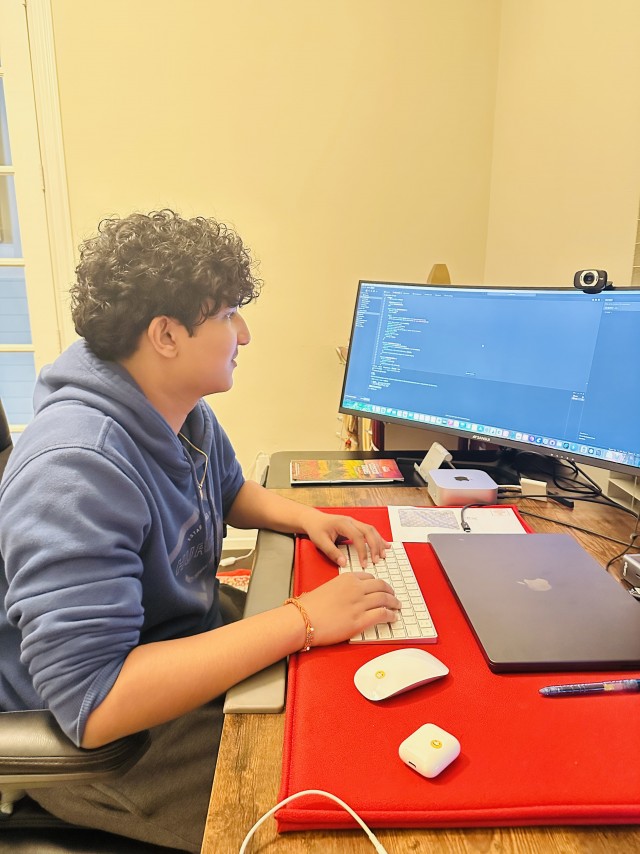
Built by violinist Abhimanyu Kaushik, the free tool helps students bridge the gap between sheet music and finger placement through real-time visual feedback
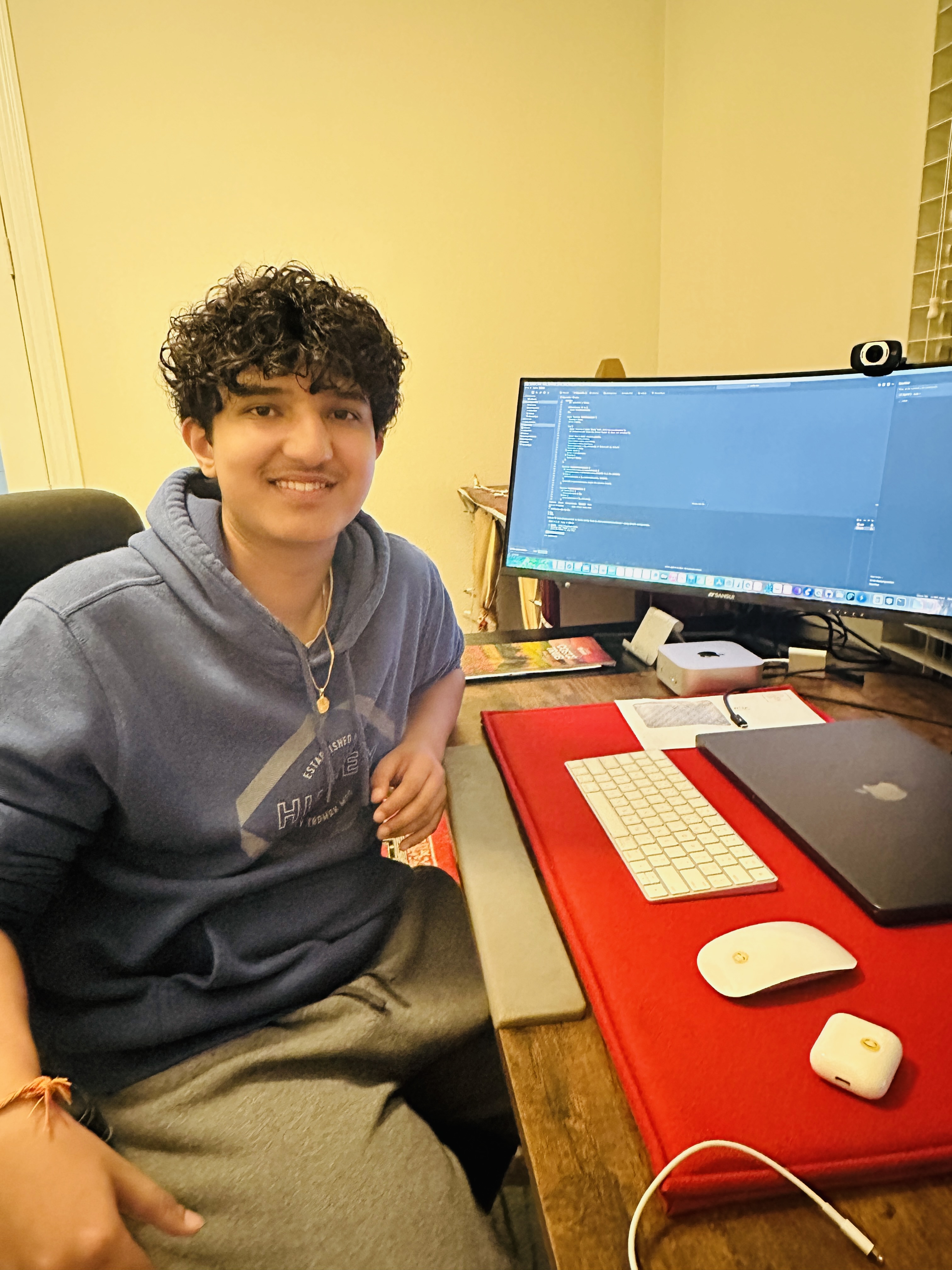
(Isstories Editorial):- Dallas, Texas Dec 15, 2025 (Issuewire.com) – Byron Nelson High School student Abhimanyu Kaushik has launched MusicSynth, a free AI-powered platform designed to help student musicians practice more effectively by transforming static sheet music into interactive visual guidance. Built from Kaushik’s own experience as a violinist, the project aims to make independent music practice clearer, more engaging, and easier to track.
More on Isstories:
- Pro-Line Trailers to Exhibit at MDA Car Show 2026
- COAST: The China Smart Glass Film Manufacturer Bridging Aesthetics and Energy Efficiency
- A Professional Guide to Choosing a High Quality Rare Earth Heat Blocking Window Film Manufacturer
- Scientist-Turned-Seeker Reframes Ancient Wisdom in Echoes from a Spiritual Name
- Empowering Green Buildings: China Smart Glass Film Manufacturer Providing Sustainable Privacy Solutions
MusicSynth was created after Kaushik noticed a common challenge among his orchestra peers: practicing from sheet music often felt confusing and unstructured, with little feedback on whether progress was being made. Students frequently struggled to understand finger placement, identify difficult passages, and remember where to focus their practice time. In response, Kaushik began developing a tool that could turn these frustrations into a more guided and measurable learning experience.
“I built MusicSynth to turn the frustration my friends and I had into something that makes every violin practice feel like you’re learning with a guide, not guessing alone,” said Kaushik. “When I realized my orchestra friends were struggling the same way I was, I wanted to create something that made practice measurable, motivating, and visual.”
The platform allows users to upload their own sheet music, which is then processed and visualized through animated playback. One of MusicSynth’s core features is its “rolling fingerboard” visualization, which displays notes as moving indicators on an instrument’s fingerboard, showing students exactly when and where to play. This approach helps bridge the gap between written notation and physical execution, an area where many beginner and intermediate musicians struggle.
“MusicSynth bridges the gap between notes on a page and finger placement on the violin, something no other tool has done for students like me,” Kaushik said.
While the tool is particularly helpful for violinists and string players, MusicSynth is designed to support a broad range of student musicians, including orchestra members, self-learners, and music educators seeking supplemental practice tools. Kaushik emphasizes that the platform is not intended to replace traditional music lessons, but rather to support students between sessions and reduce reliance on costly one-on-one instruction.
Developing MusicSynth took approximately eight months, during which Kaushik handled coding, debugging, and deployment while balancing schoolwork and extracurricular commitments. The project also served as a real-world learning experience, exposing him to challenges beyond classroom programming.
“This project showed me that real-world coding isn’t just about writing functions; it’s about solving actual problems, debugging surprise issues, and making everything work together,” he said. “I learned that successful development is not so much about coding but rather solving actual problems with real constraints.”
MusicSynth was also shaped by Kaushik’s participation in programs such as the Congressional App Challenge, which reinforced the idea that student developers can create meaningful tools for their communities.
“What started as my personal frustration evolved into a tool that continues to inspire student musicians around the globe,” Kaushik added. “Seeing other students use my app and smile when they finally understand a difficult passage, that’s the best feedback I could ever get.”
MusicSynth is available for free and is open to feedback from students, educators, and music technology enthusiasts. Kaushik plans to continue refining the platform based on user input and hopes to expand its reach through competitions, academic partnerships, and community adoption.
For more information or to try MusicSynth, visit the MusicSynth website.
This article was originally published by IssueWire. Read the original article here.