(Isstories Editorial):- Guangzhou, Guangdong Sheng Dec 3, 2025 (Issuewire.com) – The global construction industry is undergoing a significant transformation, driven by an increasing emphasis on sustainability, durability, and low-maintenance materials. Within this dynamic environment, the demand for composite materials that elegantly replicate natural textures while offering superior performance is accelerating. At the intersection of technology and design stands the specialized Wood Grain Composite Cladding Factory, a key player in this shift toward advanced exterior solutions. These facilities are instrumental in producing Wood Plastic Composite (WPC) products that blend recycled wood fibers with high-density polymers, achieving the warm, inviting appearance of authentic timber without the traditional drawbacks of maintenance, rot, and decay. The future of building facades is increasingly rooted in this material innovation, moving away from resource-intensive traditional wood towards engineered, long-lasting alternatives.
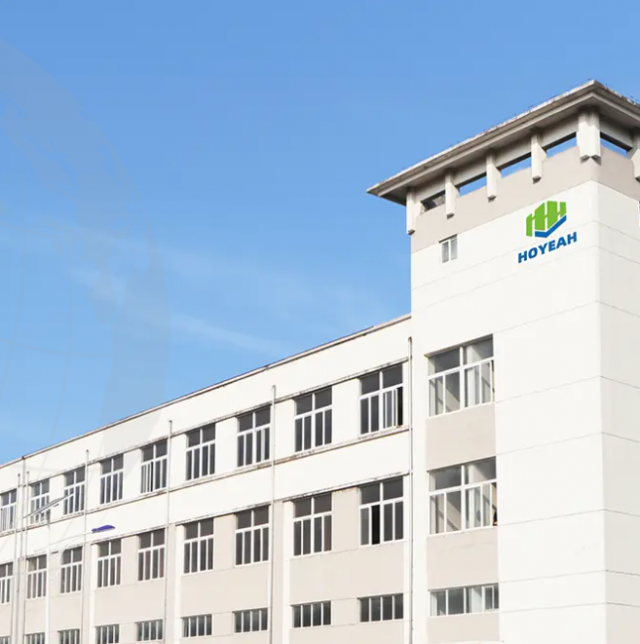
The modern Wood Grain Composite Cladding Factory is more than just a manufacturing hub; it represents a commitment to both visual excellence and environmental responsibility. This focus is perfectly embodied by companies like HOYEAH, a recognized enterprise dedicated to pioneering environmentally friendly building materials. Their vision is to drive the green transformation of the global building materials industry, actively working towards carbon neutrality goals and reducing the reliance on virgin lumber. By continuously innovating and enhancing the aesthetic and environmental performance of their products, they aim to make plastic-wood materials the “green messenger” that beautifies buildings and elevates the quality of life globally. The success of this product segment lies in its ability to reconcile the seemingly contradictory needs of architectural design: the desire for the timeless beauty of wood and the necessity for materials that can withstand modern environmental challenges.
The Rise of Composite: An Industry Overview
More on Isstories:
- Vox Pop Branding Introduces The Amplify Project to Redefine How Small Businesses Fund Growth
- Bladder – Bowel Institute Appoints Jennifer Riad as Chief Marketing Officer to Lead National Brand Expansion
- AGII Establishes Intelligent Automation Framework to Support Adaptive Cross-Chain Web4 Systems
- Angela Svonavec Supports Expansion of Registered Texas Longhorn Program in Somerset County
- RedRock Compensation Consulting Launches to Help Growing Companies Build Smarter Pay Programs
The Wood Plastic Composites (WPC) market has seen consistent growth, fueled by the demand for alternatives to traditional building materials. Projections indicate a strong trajectory for the WPC market, with key drivers being the global push for sustainable construction practices, the high performance of WPC products, and their cost-effectiveness over the product’s lifespan due to minimal maintenance.
The market outlook for WPC is robust, with decking and cladding (siding and fencing) being primary application segments. Cladding, specifically, is gaining ground, valued for its ability to create a visually appealing, durable, and energy-efficient building envelope. The shift is not just geographical but also technological, with advanced techniques like co-extrusion and 3D embossing setting new standards for realism and product longevity. Manufacturers are responding by focusing on enhancing UV resistance, anti-slip properties, fire resistance, and most importantly, the tactile and visual authenticity of the wood grain texture.
For a specialized Wood Grain Composite Cladding Factory, the focus is on three core principles: Aesthetic, Durable, and Revolutionary.
Aesthetic emphasizes the advanced finishing techniques, such as deep or 3D embossing, that provide a realistic, deeply textured wood grain surface, crucial for external visual impact.
Durable speaks to the inherent material properties–resistance to moisture, pests, UV, and warping–which ensure the façade maintains its integrity and appearance for decades.
Revolutionizing highlights the innovation in both the material composition (using recycled content) and the manufacturing processes (online embossing technology) that fundamentally change how architects and builders approach exterior materials.
The Art of Realism: 3D Embossing Technology
One of the most significant advancements originating from the specialized Wood Grain Composite Cladding Factory is the application of 3D deep embossing technology. This technique moves beyond simple surface printing or light texture, creating a highly realistic, non-repeating wood grain pattern that is pressed into the material during the extrusion process. This “online” processing ensures the texture is an integral part of the cladding board, not just a superficial layer.
This deep texture serves multiple functions:
Visual Authenticity: It accurately mimics the nuanced look and feel of various natural timber species, providing the desired aesthetic without the environmental cost of traditional wood. For designers, this means achieving the warmth of a wooden facade with the performance of a composite.
Enhanced Grip and Safety: While primarily used for cladding, the technology is derived from advancements in decking, where the deep texture significantly improves the anti-slip rating, an important safety feature for any structure’s accessible exterior areas.
Durability of Appearance: Because the texture is physically pressed and solidified during manufacturing, it resists fading and wear much better than surface treatments, keeping the facade looking fresh and new with minimal maintenance.
The commitment to this level of detail is a defining characteristic of a progressive Wood Grain Composite Cladding Factory, recognizing that for WPC to be the preferred material, it must satisfy the aesthetic sensibilities of high-end design projects.
Core Advantages: Performance Beyond Wood
The appeal of composite cladding goes far beyond its appearance; its performance metrics offer a practical and economic advantage over traditional timber. The material composition, typically a blend of 50-60% recycled wood flour, 30-40% recycled or virgin HDPE/PP plastic, and performance-enhancing additives (UV stabilizers, colorants, and binding agents), results in a product with intrinsic benefits:
Exceptional Durability and Longevity: Unlike wood, composite cladding is non-porous and highly resistant to moisture absorption, eliminating the risk of warping, cracking, or rot. It is also completely impervious to insect damage, such as termites, which is a major concern for wood in many global climates.
Low Maintenance Cycle: This is a major value proposition. Composite cladding eliminates the need for the annual or bi-annual cycle of sanding, staining, painting, or sealing required to maintain natural wood. The only maintenance typically required is periodic cleaning with soap and water, translating to significant long-term cost savings for homeowners and property managers.
Color Stability: Advanced UV stabilizers integrated into the composite formulation ensure that the vibrant colors and detailed wood grain patterns remain stable, minimizing the fading and weathering that quickly dulls natural timber.
Environmental Responsibility: A responsible Wood Grain Composite Cladding Factory actively promotes sustainability. By utilizing recycled content–diverting tons of wood waste and plastic from landfills–and reducing the demand for newly harvested lumber, these products contribute directly to a circular economy and align with global green building standards.
Applications Across the Architectural Landscape
The versatility of Wood Grain Composite Cladding allows it to be used in an increasingly broad spectrum of architectural projects. Its robust nature makes it suitable for demanding external applications where environmental exposure is high, while its refined aesthetic ensures it meets the standards for premium decorative work.
Key application scenarios include:
Residential Facades and Siding: Providing a warm, sophisticated look for new homes or renovation projects, offering superior insulation and weather protection.
Commercial Buildings: Applied to office towers, retail centers, and hospitality venues (hotels, resorts) to create striking, modern, yet natural-looking facades that require little upkeep.
Public Spaces: Used in high-traffic areas such as exterior walls of transit stations, libraries, and community centers where durability and graffiti resistance are vital.
Decking and Landscape Integration: Often paired with matching composite decking, the cladding creates a seamless, unified design for outdoor living areas, patios, and balconies.
The ability to maintain a consistent aesthetic across a building’s entire exterior, including fencing and railing systems, further simplifies the design process for architects and builders.
A Commitment to Global Standards and Future Innovation
For a global enterprise like HOYEAH, the quality control process at their Wood Grain Composite Cladding Factory is rigorous, ensuring every batch meets international quality and performance standards. This commitment includes testing for fire ratings, structural integrity, UV stability, and resistance to environmental stressors. As a pioneering manufacturer, the company’s focus is not just on current demand but on the next generation of materials.
The future of the WPC industry will likely see:
Further Material Customization: Developing composites with even higher fire-resistance classifications and superior thermal insulation properties.
Smart Integration: Exploring integration with building management systems, possibly through embedded sensors for temperature or moisture monitoring.
Enhanced Surface Technology: Continuously improving co-extrusion layers to create “capped” composites with a protective polymer shell that offers 360-degree protection, making the product virtually impervious to the elements.
These innovations reinforce the role of the modern Wood Grain Composite Cladding Factory as a nexus of sustainable technology and architectural aspiration. By focusing on both the aesthetic and the performance of their materials, they are truly revolutionizing how buildings are designed, built, and maintained for a greener future. To explore the full range of composite exterior solutions and their applications, including the popular 3D embossed products, you can visit the company’s official website: https://www.hoyeahchina.com/.
Guangzhou Hoyeah Composite Materials Co., Ltd
[email protected]
https://www.hoyeahchina.com/
This article was originally published by IssueWire. Read the original article here.